News & guides
Local guides for Webster Groves, St. Louis and beyond.
October 18, 2026
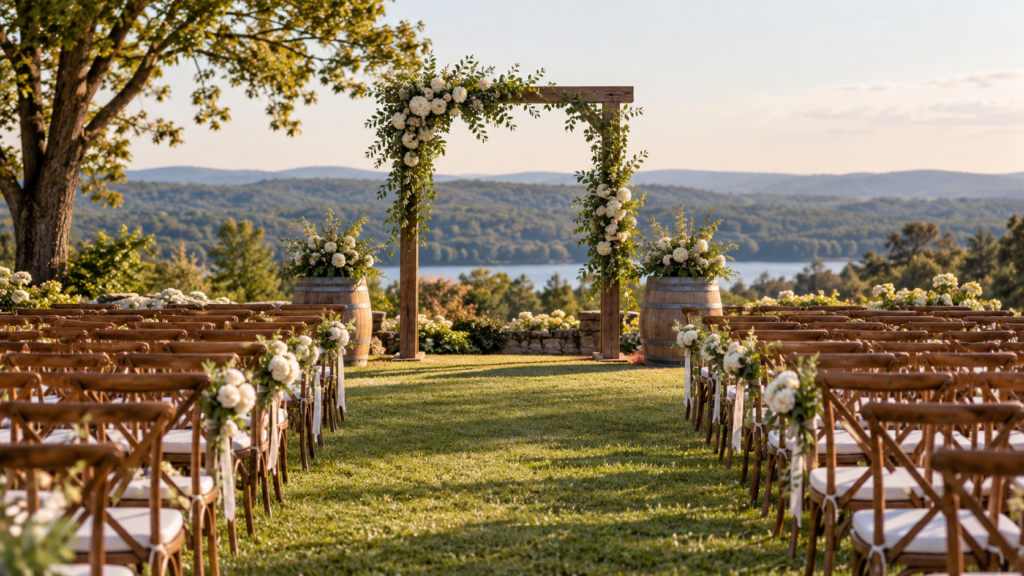
Show what each package includes and how size, style and date are confirmed. Explain fitting, collection and return separately. Keep additional charges understandable before booking, and provide a record of the reserved items. Customers should know how changes are handled without assuming a photograph confirms availability.
Read article →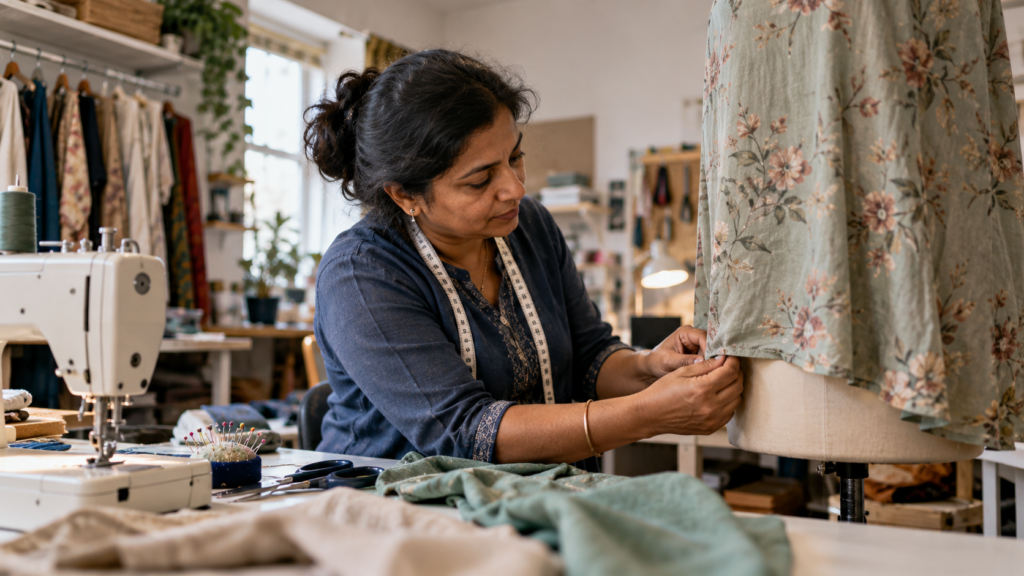
October 18, 2026
Compare included garments, fittings, collection and return terms. Ask how adjustments, damage and late returns are handled. Confirm the exact items reserved and leave time to check the fit rather than treating collection as the first fitting.
Read article →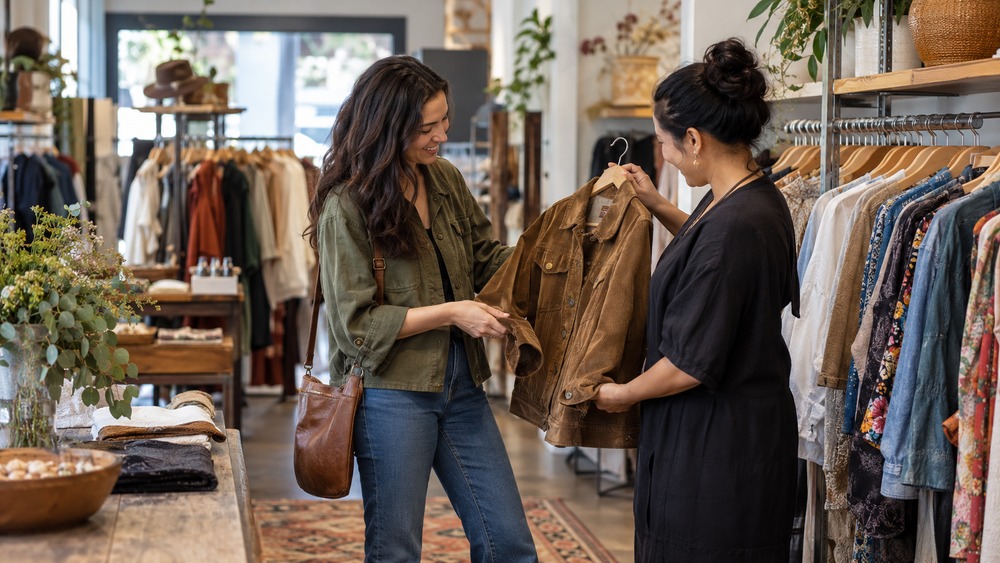
October 18, 2026
Give the event date, outfit requirements and the people needing fittings. Ask which styles and sizes can be reserved. A display outfit does not guarantee that every size or accessory is available for the same date.
Read article →October 18, 2026
Publish the information needed for an event-related inquiry, including garment and deadline. Explain fittings, customer preparation and approval of adjustments. Avoid promising that every design can be altered in the same way. Keep urgent-work capacity realistic and confirm the final ready date before accepting a time-sensitive booking.
Read article →October 18, 2026
Ask what footwear or underlayers to bring so the fitting reflects how the outfit will be worn. Discuss comfort and movement as well as appearance. Confirm each alteration and collection date in writing before leaving the garment.
Read article →October 18, 2026
Explain the garment, event date and adjustments you hope to make. Ask how many fittings may be needed and when the item must be ready. A deadline should be confirmed by the alteration business, not assumed from its normal opening hours.
Read article →
October 18, 2026
Collect exact text, item details and placement instructions in a record the customer approves. Explain supported materials and the proof stage clearly. Distinguish a mock-up from completed work and state personalization terms before production. Good examples can demonstrate scale and layout without implying every material accepts the same technique.
Read article →
October 18, 2026
Check spelling, dates, size and placement carefully on the proof. Ask whether a change is possible after approval and confirm the completion date. Keep the approved artwork together with the order so a verbal correction is not lost.
Read article →
October 18, 2026
Identify the item material and the text or design you want engraved. Ask whether the supplier accepts customer-owned items and can work on that surface. Confirm the approval process before treating a sample design as a finished order.
Read article →
October 18, 2026
Explain the consultation around the item, display setting and intended result. Separate moulding, mounting, glazing and fitting. Use samples and a written specification to confirm choices before work begins. Keep preservation claims appropriate to the materials and assessment, without treating every artwork as the same standard framing job.
Read article →October 18, 2026
Bring the actual item when appropriate and discuss the room, light and appearance you prefer. Compare the complete arrangement rather than the frame moulding alone. Ask for the choices and dimensions to be recorded before custom work starts.
Read article →
October 18, 2026
Describe the item, its size and where it will be displayed. Ask whether the framer handles that format and how materials are selected. An original artwork, photograph and decorative print may need different conversations about mounting, glazing and handling.
Read article →