News & guides
Local guides for Webster Groves, St. Louis and beyond.

October 18, 2026
Explain the format, audience and practical route alongside the historical theme. Use current booking and access information, with suitable sources for factual interpretation. Avoid implying access to private buildings without agreement. A visitor guide should help people decide whether the activity’s pace and arrangements suit them before they register.
Read article →
October 18, 2026
Confirm distance, surfaces, pace and the start and finish points. Ask about booking, weather and access requirements. Keep the organizer’s contact details and check whether the event involves entering any buildings rather than assuming every stop is open to participants.
Read article →
October 18, 2026
Look for a current activity with an identifiable organizer, clear date and route or venue. Ask whether it is a guided visit, talk or self-directed trail. Historical information and visitor arrangements serve different purposes, so check the actual event details before attending.
Read article →
October 18, 2026
Provide a simple special-order route for title, edition and deadline. Explain availability checks and the point when an order is accepted. Keep deposits, returns and collection clear. Useful updates tell customers what has actually arrived rather than presenting a catalogue listing as current store stock.
Read article →October 18, 2026
Use an ISBN where available and explain format, language or publication requirements. Confirm price, order terms and collection arrangements. If you need a book by a particular date, ask for a realistic confirmation rather than treating an estimated supplier date as guaranteed.
Read article →
October 18, 2026
Give the shop the title, author and the edition you need. Ask whether it can source the book and when availability can be confirmed. A product appearing in a catalogue does not necessarily mean a copy is on the shelf or reserved for you.
Read article →
October 18, 2026
Provide fit, fabric and care information alongside photographs. Describe intended use without promising health or performance outcomes. Keep size guidance and return conditions clear, particularly for online orders. A beginner-focused display can help customers understand practical choices without suggesting they need a complete new wardrobe before attending one class.
Read article →
October 18, 2026
Try movements similar to the class where appropriate and check seams, length and adjustment. Read washing and return conditions. Choose around comfort and the activity rather than assuming a particular brand or appearance is required to take part.
Read article →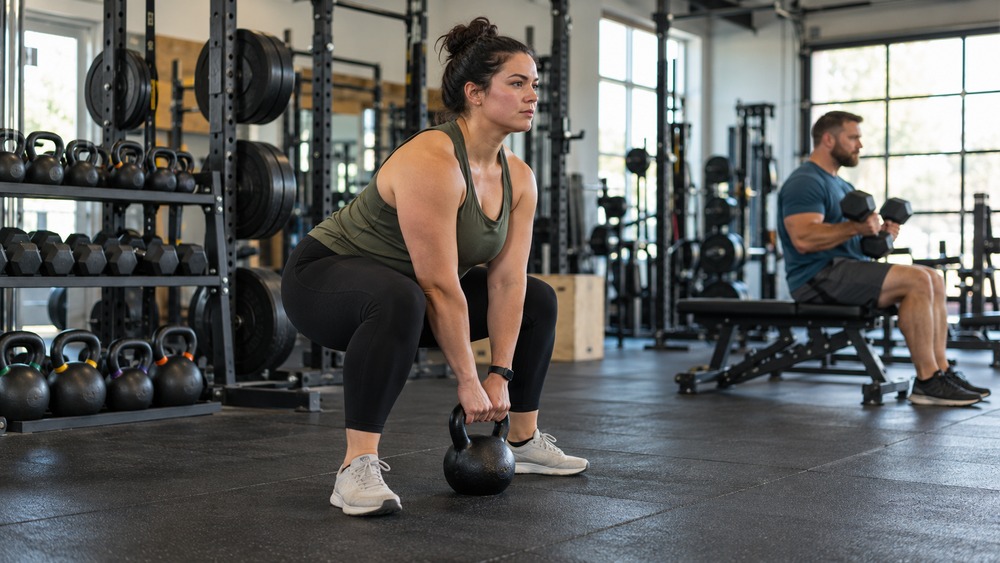
October 18, 2026
Check the class’s practical requirements before shopping. Think about movement, footwear and the room conditions, then ask a retailer about fit and care. A garment marketed for fitness may still differ in how it feels and functions during your chosen activity.
Read article →October 18, 2026
Organize products around use and fit, with a clear distinction between essential and optional items. Encourage customers to check their class requirements. Explain fitting and returns without making unsupported performance claims. A useful beginner offer should help someone attend their actual session rather than add equipment that may not be needed.
Read article →October 18, 2026
Confirm what the pool supplies and what you need to bring. Ask how goggles or other items are fitted and what returns are allowed. Avoid buying training aids on the assumption they are permitted or useful in every session; check with the instructor first.
Read article →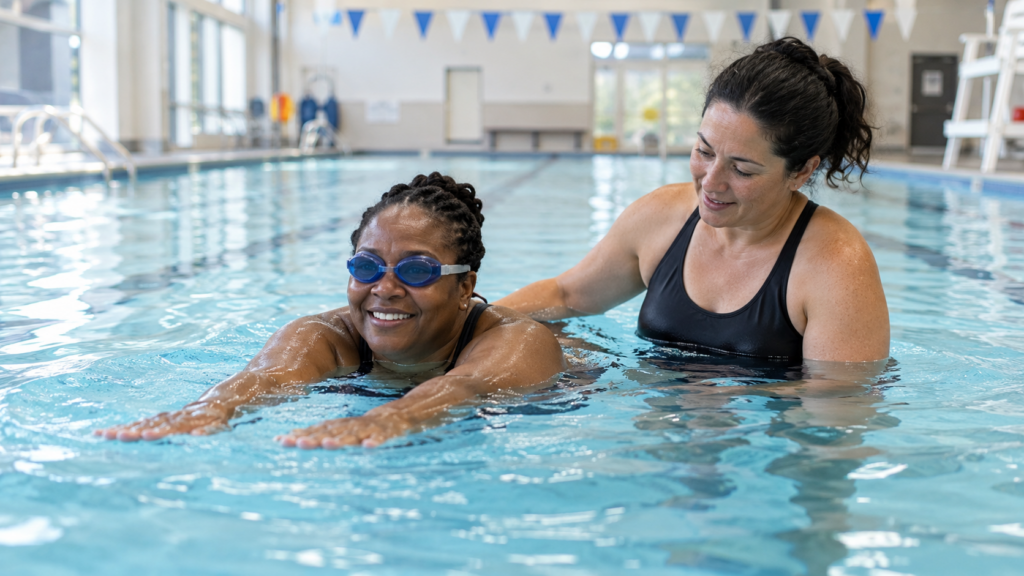
October 18, 2026
Ask the lesson provider for the equipment requirements for your actual class before shopping. Check fit and intended use with a suitable retailer. A beginner lesson, general pool visit and competitive session may have different expectations, so a broad swimming kit list can be misleading.
Read article →