Author: <span>founderdan</span>

October 18, 2026
Prepare a schedule and priority image list, then discuss permissions and any sensitive circumstances. Confirm editing, delivery and permitted uses. Keep an attendee snapshot request distinct from a complete coverage brief rather than assuming all recorded images will be supplied or can be published.
Read article →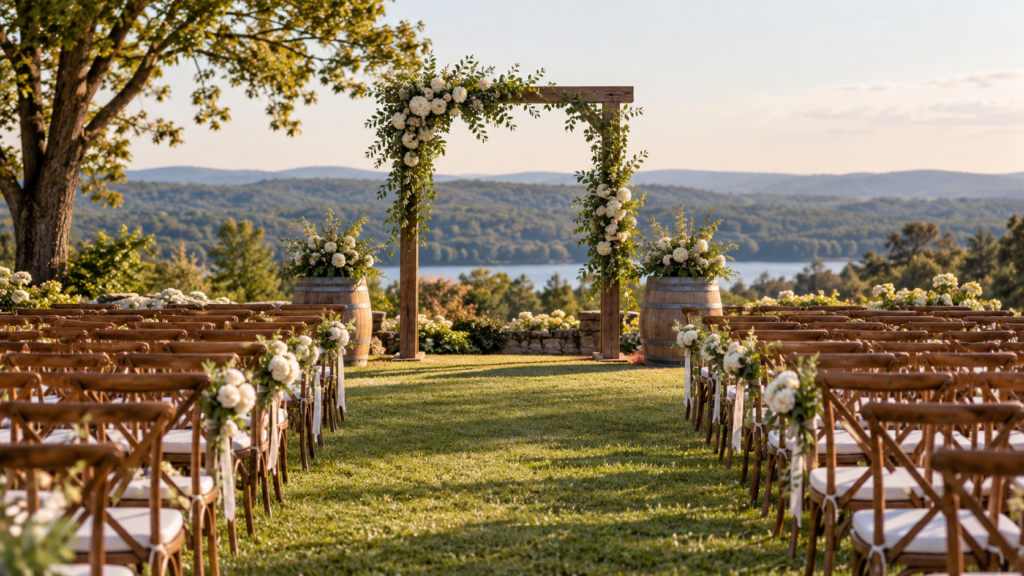
October 18, 2026
Describe the event, audience and the images you need. Ask about coverage time, access and the photographer’s experience with that format. A general portfolio cannot establish that every moment, guest or location will be included in a booking.
Read article →
October 18, 2026
Define the level of review and output clearly. Explain tracked changes, version control and customer approval. Avoid presenting a proofreading service as specialist certification outside the agreed scope. A useful brief identifies audience, style and deadline, with a secure route for private material and clear terms for later revisions.
Read article →
October 18, 2026
Confirm file format, deadline and how changes are marked. Identify the version to review and who accepts corrections. Ask about confidentiality and follow-up questions rather than assuming a language check certifies every factual, legal or technical statement in the document.
Read article →
October 18, 2026
Explain the document type, audience and the level of review you want. Proofreading, editing and rewriting can involve different work. Ask whether the provider handles the subject and what is excluded, especially where specialist factual or professional advice is needed.
Read article →
October 18, 2026
Define the campaign, review scope and deliverables before requesting access. Explain measures and limitations honestly. Keep recommendations, implementation and advertising spend separately authorized. A useful local review focuses on the business’s aims and evidence without guaranteeing a return or implying that a particular number of views proves commercial success.
Read article →
October 18, 2026
Gather the offer, audience, dates and meaningful results. Distinguish confirmed inquiries or sales from attention measures. Ask how recommendations and implementation are separated, and keep account permissions and spend approvals clear rather than treating a consultation as unlimited authority to change campaigns.
Read article →
October 18, 2026
Choose the campaign and the question you want answered, such as whether inquiries fit the service. Ask what the review covers and what information is needed. A general marketing package may not include the specific channels, account access or analysis your business expects.
Read article →October 18, 2026
Explain the content, research and revision scope before drafting. Identify source material and who approves factual or specialist claims. Avoid guaranteed rankings or sales promises. A useful agreement defines deliverables, feedback and publication responsibilities so the customer understands what a writing project includes and how changes are handled.
Read article →October 18, 2026
Provide verified business information, reference material and approval contacts. Ask about draft stages, revisions and who checks technical or regulated claims. Keep writing separate from publishing unless both are expressly included, with an agreed deadline for customer feedback.
Read article →October 18, 2026
Identify the page’s audience, purpose and the action you want readers to take. Ask about research and subject experience as well as writing style. A quote should describe the actual content rather than leave page length, interviews and fact-checking to assumptions.
Read article →October 18, 2026
Define concepts, revisions and delivered assets clearly. Explain customer input and approval before creating final files. Show the actual role in portfolio work and keep permissions accurate. A project proposal should identify usage arrangements and optional applications without promising a new identity will automatically deliver business growth or market recognition.
Read article →