Author: <span>founderdan</span>

October 18, 2026
Explain relevant sensitivities and preferences through the provider’s private process. Confirm preparation instructions, location and time. Ask what is included and how any trial or changes work rather than treating a general beauty package as a complete occasion-specific booking.
Read article →
October 18, 2026
Describe the occasion, intended style and when you need to be ready. Ask whether the appointment is a consultation, lesson or application service. A photographed look is a discussion reference, not a guarantee that every product or technique suits your circumstances.
Read article →October 18, 2026
Describe products accurately and keep claims within evidence and the service actually offered. Distinguish retail guidance from individual clinical advice. Explain ingredients, instructions and purchase conditions without promising treatment outcomes. Customers should have a route for product questions and understand that a promotional description does not establish universal suitability.
Read article →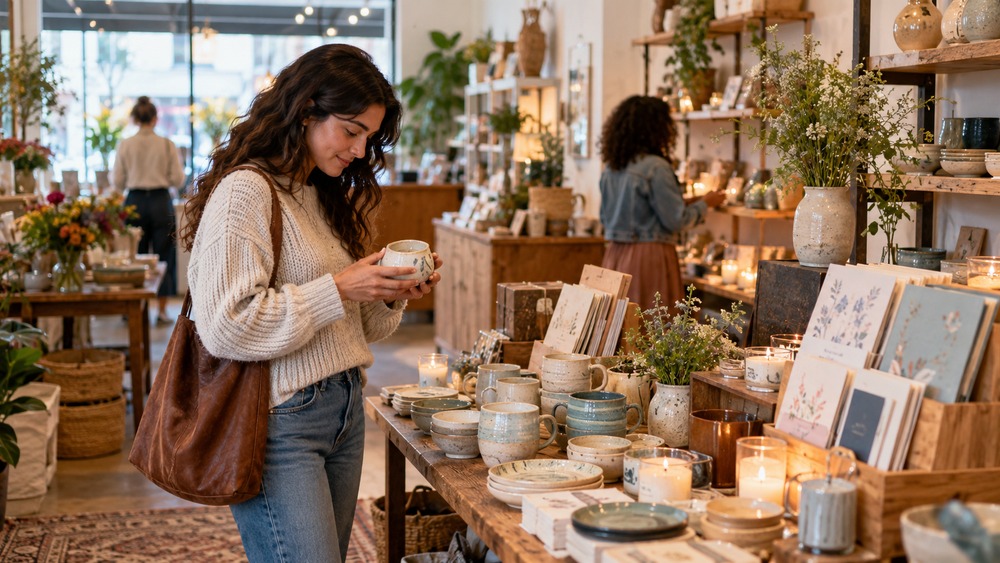
October 18, 2026
Check the full product, ingredients and instructions, and raise known concerns privately. Ask about samples and returns where available. Do not assume a similar package or broad label means the same formulation or that a promoted product is suitable for every person.
Read article →October 18, 2026
Ask about the exact product and the kind of advice the retailer provides. A general beauty recommendation is different from clinical assessment of a skin concern. For persistent or concerning symptoms, seek an appropriate healthcare professional rather than relying on a retail product description.
Read article →
October 18, 2026
Give actual dimensions and list the pieces included in each set. Explain material and care without unsupported health or universal comfort claims. Keep order and return conditions accessible. Product photographs should distinguish decorative extras from included items so customers can assess the complete purchase rather than infer contents from the display.
Read article →October 18, 2026
Compare material, care information and fastening or fit details. Ask about returns and any opened-product conditions before buying. Confirm colors and quantities, especially when ordering matching items, instead of assuming every product carrying the same broad description is identical.
Read article →
October 18, 2026
Check the actual dimensions and the items you need rather than relying only on a familiar size name. Ask what a set contains and whether pieces are sold separately. A styled bed photograph may include additional items that are not part of the advertised purchase.
Read article →
October 18, 2026
Publish dimensions, materials and what is included alongside attractive images. Explain stock, delivery and returns accurately. Distinguish props or optional products from the item for sale. A useful homeware description helps customers judge the actual object and purchase arrangement, rather than leaving practical details hidden behind a styled display.
Read article →October 18, 2026
Measure the intended space and consider delivery, handling and everyday use. Ask about materials, care and returns. Keep a custom or special-order purchase distinct from a stock item, and do not rely on a room photograph alone to establish scale.
Read article →October 18, 2026
Choose the kind of item and a budget, then check current stock before a special visit. A display photograph can suggest a style without showing the dimensions or every included element. Confirm the actual product rather than assume the whole arrangement is sold together.
Read article →October 18, 2026
Explain samples, product details and the route for confirming quantities. Separate supply from installation and keep special-order conditions clear. Avoid presenting a styled room photograph as a complete specification. Customers should know who checks measurements and preparation before ordering a product that may be difficult to change afterward.
Read article →