News & guides
Local guides for Webster Groves, St. Louis and beyond.

October 18, 2026
Compare design stages, material information, approval and completion arrangements. Ask how changes are handled before production. Keep the agreed specification and purchase terms, and obtain appropriate independent advice if value or authenticity is central rather than relying on a general promotional claim.
Read article →
October 18, 2026
Explain the item, intended use and approximate budget. Ask whether the jeweler designs, makes or sources the type of piece you want. A photograph can communicate an idea, but materials, dimensions and the accepted design need their own confirmation.
Read article →
October 18, 2026
Describe session settings and the initial discussion needed for suitability. Keep handling responsibilities and practical limits clear. Explain edited outputs and optional products, with consent for promotional use. Avoid guarantees about a particular pose or result, and plan flexibility around the individual animal rather than a standard image checklist.
Read article →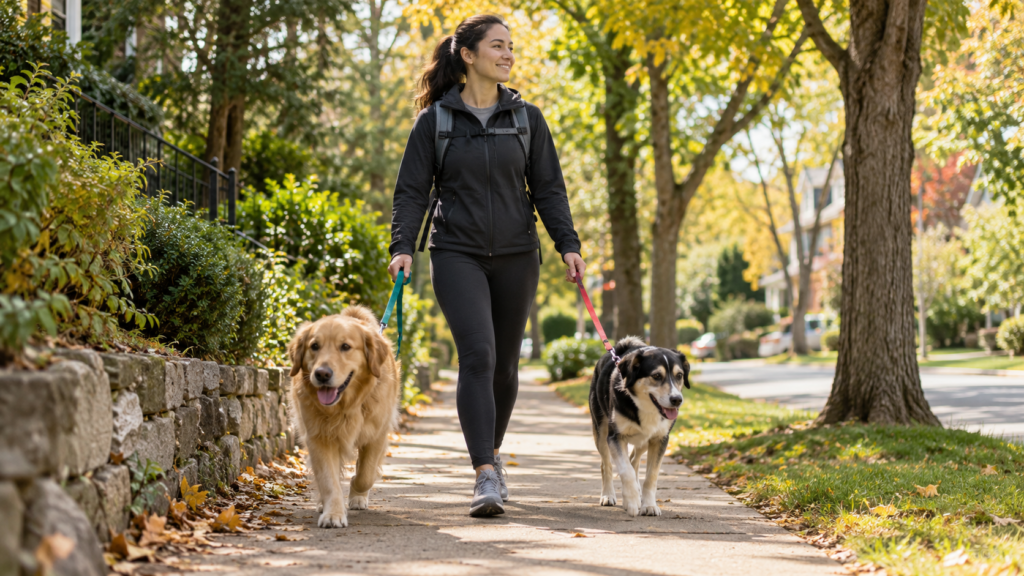
October 18, 2026
Discuss handling, access and the animal’s needs with the provider. Ask what to bring and how the session changes if the animal is uncomfortable. Confirm edited images, prints and usage without assuming every photograph taken forms part of the package.
Read article →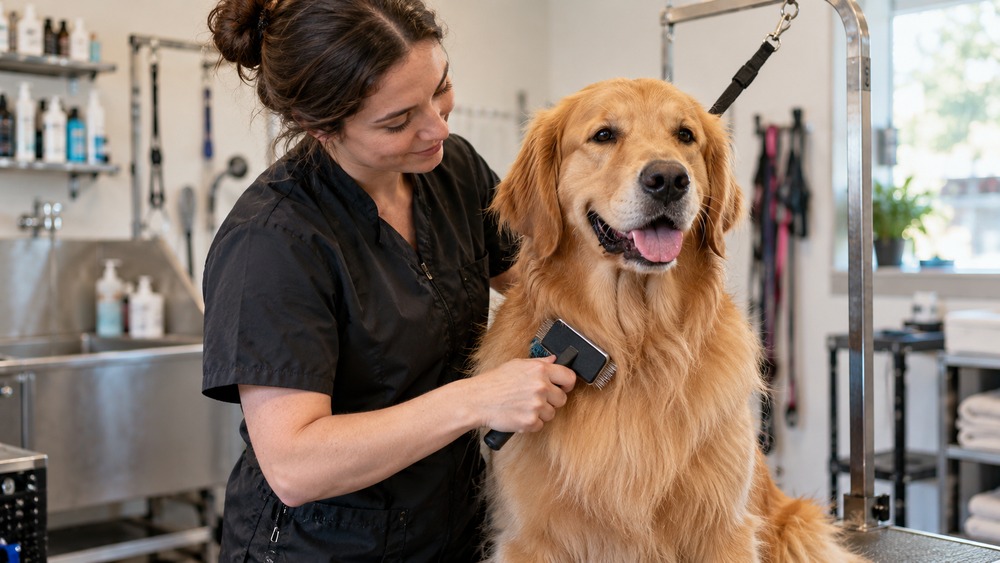
October 18, 2026
Explain the animal, setting and kind of images you want. Ask how the photographer assesses whether the session format is suitable. A calm studio portrait and an outdoor activity session require different planning, so compare the actual service rather than the portfolio style alone.
Read article →
October 18, 2026
Explain coverage, priorities and delivery separately. Agree access and permission responsibilities before attending. Keep editing and usage terms clear and avoid promising every attendee or moment will be captured. A useful event brief identifies the actual purpose and schedule, without treating a sample gallery as an unlimited deliverable list.
Read article →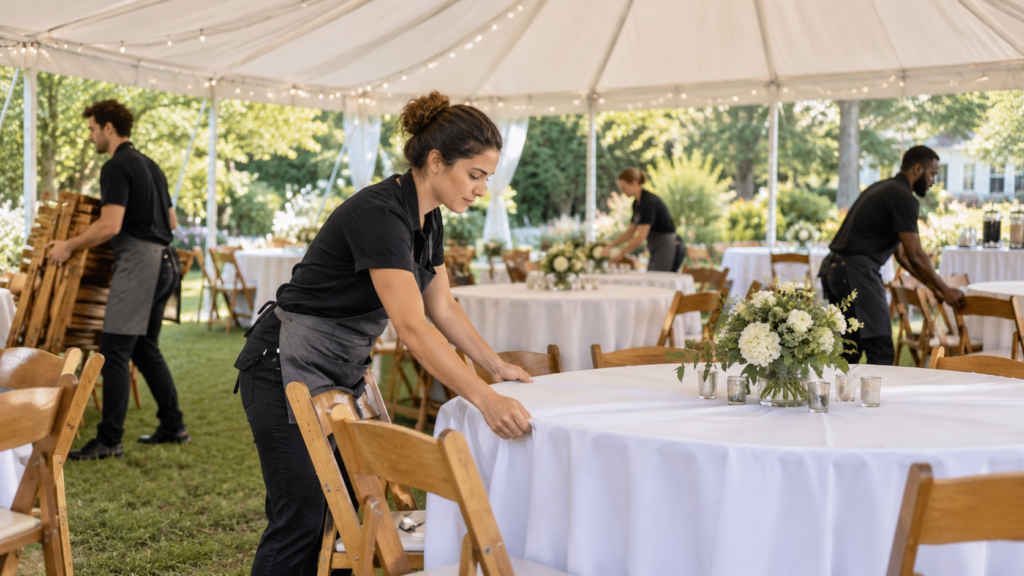
October 18, 2026
Prepare a schedule and priority image list, then discuss permissions and any sensitive circumstances. Confirm editing, delivery and permitted uses. Keep an attendee snapshot request distinct from a complete coverage brief rather than assuming all recorded images will be supplied or can be published.
Read article →October 18, 2026
Describe the event, audience and the images you need. Ask about coverage time, access and the photographer’s experience with that format. A general portfolio cannot establish that every moment, guest or location will be included in a booking.
Read article →
October 18, 2026
Define the level of review and output clearly. Explain tracked changes, version control and customer approval. Avoid presenting a proofreading service as specialist certification outside the agreed scope. A useful brief identifies audience, style and deadline, with a secure route for private material and clear terms for later revisions.
Read article →October 18, 2026
Confirm file format, deadline and how changes are marked. Identify the version to review and who accepts corrections. Ask about confidentiality and follow-up questions rather than assuming a language check certifies every factual, legal or technical statement in the document.
Read article →
October 18, 2026
Explain the document type, audience and the level of review you want. Proofreading, editing and rewriting can involve different work. Ask whether the provider handles the subject and what is excluded, especially where specialist factual or professional advice is needed.
Read article →
October 18, 2026
Define the campaign, review scope and deliverables before requesting access. Explain measures and limitations honestly. Keep recommendations, implementation and advertising spend separately authorized. A useful local review focuses on the business’s aims and evidence without guaranteeing a return or implying that a particular number of views proves commercial success.
Read article →