News & guides
Local guides for Webster Groves, St. Louis and beyond.

October 18, 2026
Explain site assessment, installation and use conditions before confirming the hire. Identify access and customer responsibilities clearly. Avoid broad all-weather promises. A proposal should record the actual site and intended event, with a clear communication plan if conditions make the agreed installation or use unsuitable.
Read article →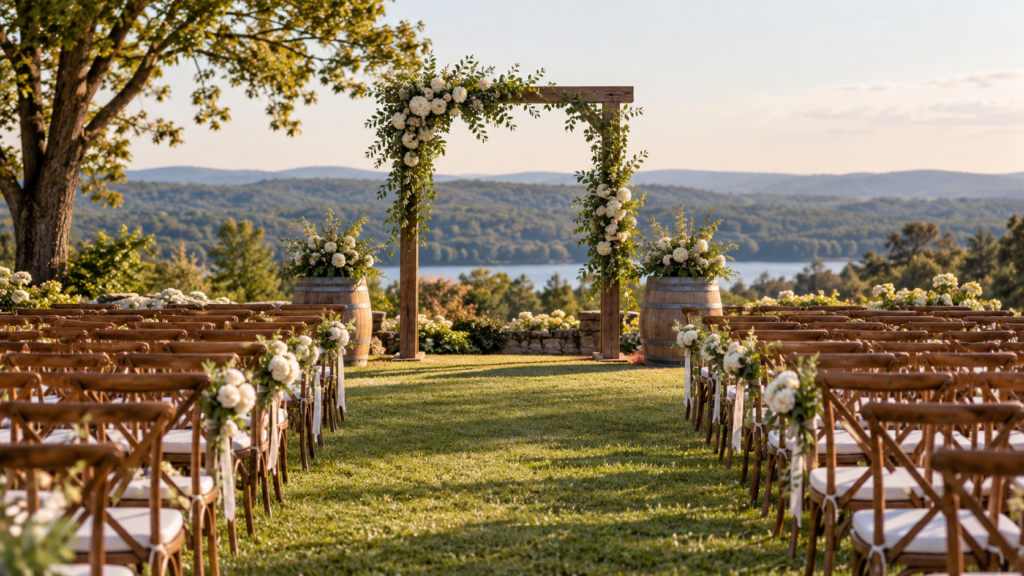
October 18, 2026
Ask about installation, securing, use limits and the procedure for changing conditions. Confirm who checks any required permissions and the full access period. Do not assume a hired structure can be positioned anywhere simply because there appears to be enough space.
Read article →
October 18, 2026
Give the date, intended use and expected attendance, then ask how the company assesses the location. Describe the ground and access without choosing a tent size solely from guest numbers. A shelter is part of an event plan, not a guarantee that all weather conditions are suitable.
Read article →
October 18, 2026
Publish item dimensions and describe delivery, setup and collection separately. Explain access information and when quantities become fixed. Keep charges and responsibilities clear before a booking is accepted. An example layout can help customers understand the order, but should not replace confirmation of the actual site and event requirements.
Read article →October 18, 2026
Confirm sizes, quantities and any coverings or accessories. Agree delivery and collection windows and who handles setup. Check cleaning, damage and missing-item terms, keeping the order record with the event plan so changes in numbers are reflected accurately.
Read article →October 18, 2026
List the event date, location and items needed, then ask about availability and site access. Check whether the service delivers, installs or only hires the items. A table count alone does not describe the full layout or the time the equipment must be available.
Read article →
October 18, 2026
Explain the task information needed to select suitable equipment and what instruction is supplied. Publish hire periods, accessories and charges clearly. Keep assessment and training requirements appropriate to the machine. A rental listing should not encourage customers to undertake a task beyond their competence simply because the tool is available.
Read article →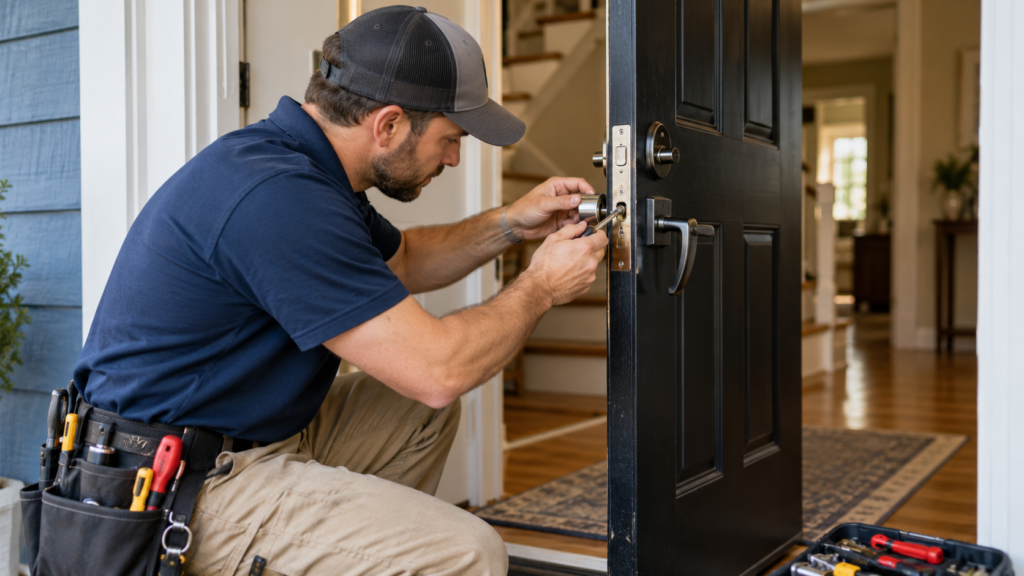
October 18, 2026
Confirm the hire period, collection, return and included accessories. Ask about operating information, damage reporting and any consumables. Check the equipment condition with the provider and keep the agreement, rather than assuming a deposit is the total cost of hire.
Read article →
October 18, 2026
Describe the task and ask the hire business what equipment it supports and how suitability is assessed. Explain your experience honestly. Renting a machine does not replace appropriate training, safe working conditions or a specialist when the job requires one.
Read article →
October 18, 2026
Show dimensions and practical use alongside product images. Explain delivery, assembly and returns, with custom-order terms identified before purchase. A workspace inquiry should establish room and equipment needs without making unsupported comfort or health promises. Keep available stock and lead-time information accurate and distinguish a sample display from a reserved item.
Read article →
October 18, 2026
Check adjustment, movement space and equipment clearance. Ask to try the product where available and read return or custom-order conditions. Compare the complete delivered arrangement, including installation and packaging removal, rather than the unit price alone.
Read article →
October 18, 2026
Explain the intended workspace, dimensions and how the furniture will be used. Ask about product size, delivery and assembly. A desk or chair chosen for a photograph may not fit the room, equipment or routine, so compare practical details before purchasing.
Read article →