News & guides
Local guides for Webster Groves, St. Louis and beyond.

October 18, 2026
State the operating format, attendant arrangements and outputs clearly. Explain design approval and any print or download limits. Keep guest-image use and privacy understandable, with permission for promotional reuse. A complete proposal should identify setup and event time separately and give the organizer a support route.
Read article →
October 18, 2026
Compare use time, print allowance, design approval and file delivery. Ask about consent and handling of guest images. Confirm setup, access and what happens if equipment fails, rather than judging the service only by a sample backdrop.
Read article →
October 18, 2026
Describe the venue, guest numbers and period of use. Ask about space, operation and whether an attendant is included. A photo-booth package may focus on digital images, prints or another output, so confirm what guests actually receive.
Read article →October 18, 2026
Describe lineup, performance sets and equipment clearly. Explain requests, breaks and setup access before accepting the event. Use representative recordings without implying every package contains the same musicians. A written schedule helps clients compare complete arrangements and avoids treating a general promotional video as the full booking specification.
Read article →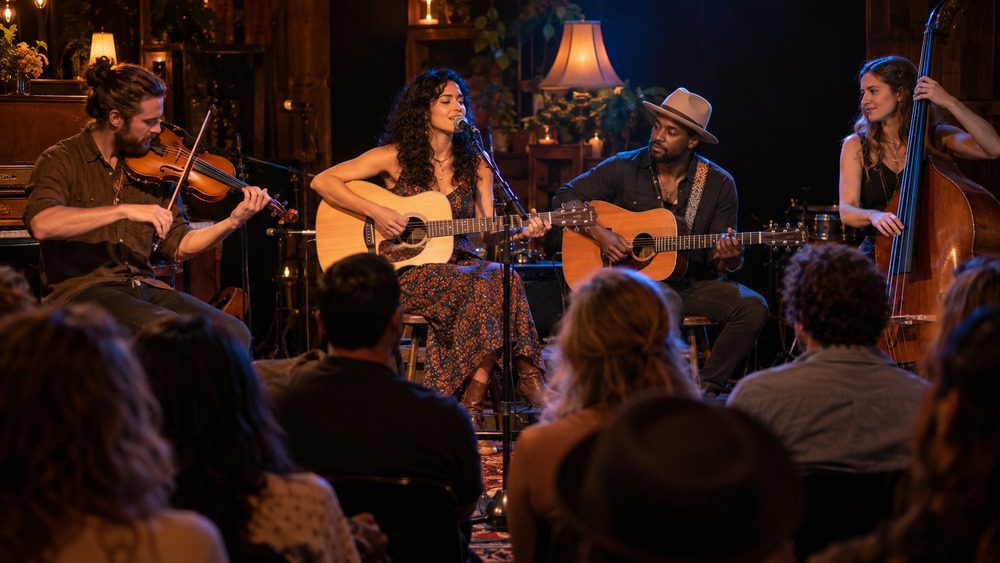
October 18, 2026
Compare set length, breaks, sound, travel and setup rather than only the total performance time. Ask how a special request is handled and whether background music is provided between sets. Keep the confirmed lineup and schedule with the booking.
Read article →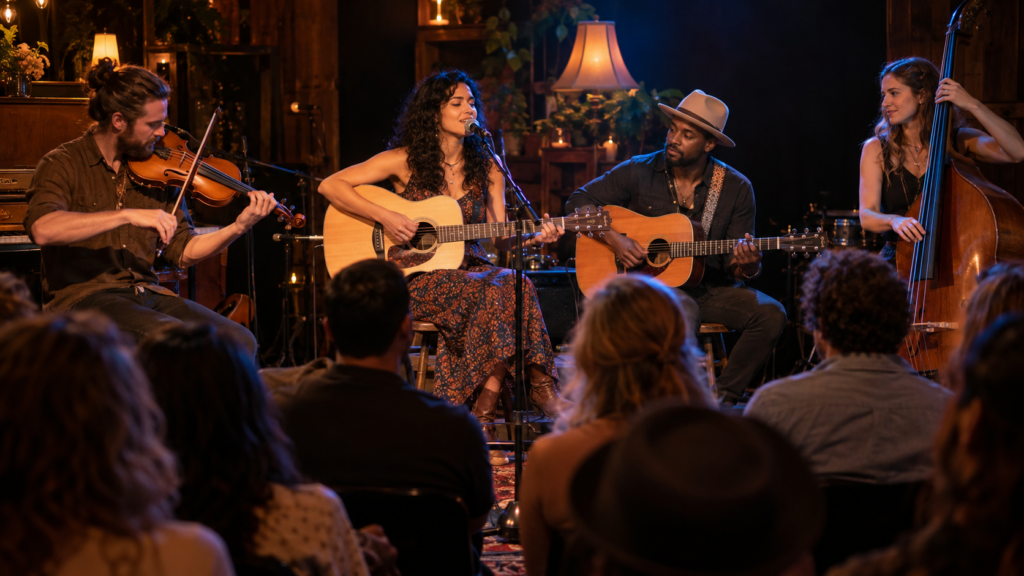
October 18, 2026
Choose the atmosphere and style you want, then ask about the act, repertoire and format. A performer may offer several lineups with different space and equipment requirements. Confirm which people and services are part of the particular proposal.
Read article →October 18, 2026
Explain performance, hosting and supplied equipment as separate inclusions. Use a structured brief for timing, audience and venue needs. Keep extra hours and changes clear before confirmation. Portfolio examples should show the relevant event format with permission, without implying that one playlist or setup suits every audience.
Read article →October 18, 2026
Explain the event schedule, preferred atmosphere and important announcements. Ask who supplies sound and any lighting, and confirm setup access. Record the agreed music approach and changes process without assuming an unlimited request list is part of every booking.
Read article →October 18, 2026
Describe the occasion, venue and audience, then ask about experience with that event format. Discuss music, hosting and equipment rather than assuming they are all included. A performance booking should identify the actual date and service time, not only a general package title.
Read article →October 18, 2026
Collect the venue, audience and content requirements before proposing equipment. Explain installation, rehearsal and operator support separately. Keep compatibility assumptions visible and agree a problem-contact route. A useful quote identifies the complete working arrangement instead of leaving cables, connections or staff responsibilities to be guessed on the event day.
Read article →October 18, 2026
Arrange a test of the presentation, sound and connections in the intended setup. Confirm power, cables and who handles problems during the event. Keep a practical backup plan and distinguish setup time from the audience-facing session when booking access.
Read article →
October 18, 2026
Describe the venue, audience and what will be presented. Ask whether the supplier provides equipment only or an operator as well. Microphones, screens and connections should be chosen around the event’s actual needs rather than assembled from a list of familiar product names.
Read article →