News & guides
Local guides for Webster Groves, St. Louis and beyond.

October 18, 2026
Confirm packaging responsibilities, access and whether someone must sign. Ask what the quote includes and how a failed delivery is handled. Keep the agreed address and recipient details accurate, using an appropriate private route rather than putting personal information in public comments.
Read article →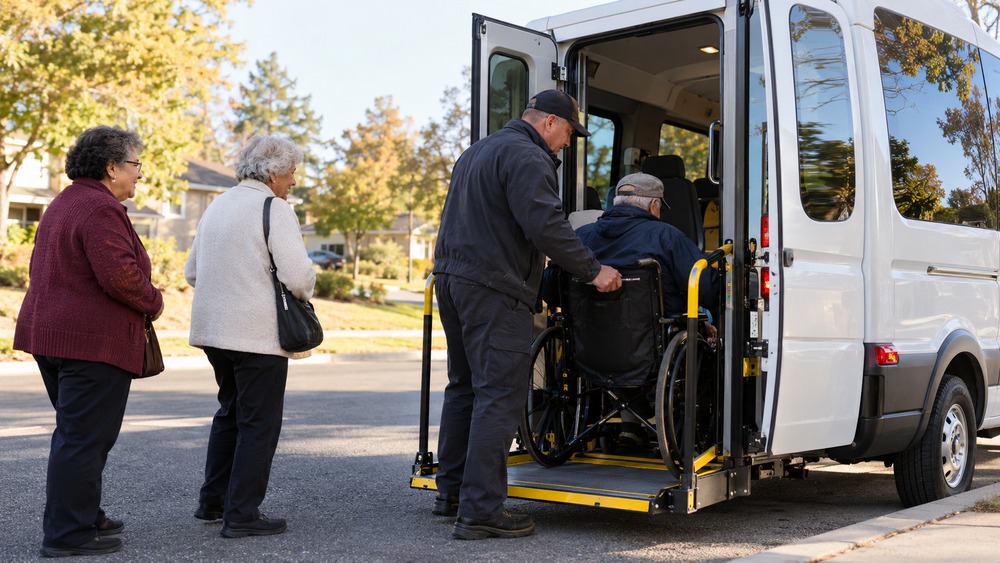
October 18, 2026
Describe the item, size, weight and the collection and delivery locations. Ask whether the courier accepts the goods and can provide the timing you need. A local delivery label does not establish acceptance of unusual, fragile or restricted items.
Read article →
October 18, 2026
Use an itinerary covering passengers, stops and timing, with access and luggage included. Explain the service type and extra-time arrangements. Confirm the agreed route before travel and provide a contact for changes. A promotional vehicle photograph should not substitute for a booking that identifies the actual service and suitable capacity.
Read article →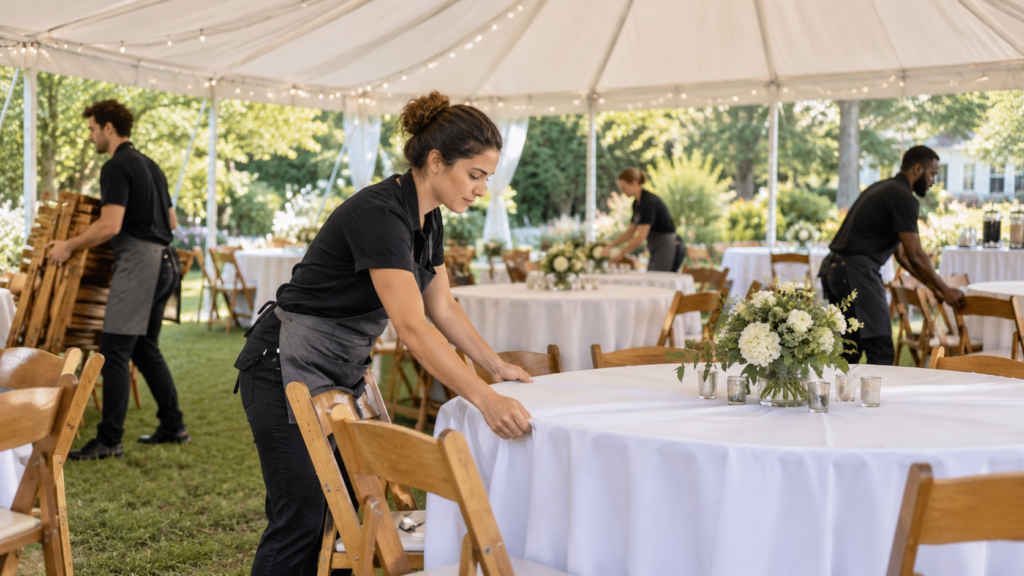
October 18, 2026
Agree pickup, finish time, luggage and access needs. Ask about waiting and route changes, and identify who coordinates the group. Keep the final itinerary and confirmation together so an informal planning change does not leave the driver with an outdated route.
Read article →October 18, 2026
Set out the group size, journey and dates, including any stops. Ask what vehicle and service the provider offers. A vehicle-only hire and a staffed journey are different arrangements, so confirm the type of booking before discussing the itinerary.
Read article →
October 18, 2026
Collect flight, passengers and luggage before proposing a vehicle. Explain pickup, waiting and delay arrangements clearly, with all relevant charges. Distinguish a quotation from a confirmed transfer and agree a contact process. Do not publish guessed travel times as guarantees or assume every passenger can use the same vehicle arrangement.
Read article →October 18, 2026
Provide accurate flight information and agree the meeting point and contact route. Ask about delays, waiting time and changes. Confirm the return journey separately where needed and keep the booking details available instead of relying only on an initial quote message.
Read article →October 18, 2026
Give the airport, travel date, passenger count and luggage requirements. Ask whether the provider can accommodate the journey and confirm the booking. A general transfer service description does not establish vehicle availability or the full charge for your particular trip.
Read article →
October 18, 2026
Publish concrete vehicle and assistance information, with a route to confirm individual needs. Avoid a universal access claim. Record journey, boarding and equipment requirements before accepting the booking, and explain the change process. A clear confirmation should identify the agreed arrangement rather than leave customers relying on a generic description.
Read article →October 18, 2026
Confirm passenger and mobility-device dimensions where relevant, boarding arrangements and luggage. Agree collection location, return journey and how changes are handled. Ask privately about individual requirements and keep the confirmation instead of assuming a general fleet photograph identifies the booked vehicle.
Read article →October 18, 2026
Describe the journey and the practical assistance or vehicle features you need. Ask the provider to confirm the exact arrangement rather than relying on an accessible label. The suitability of a vehicle can depend on equipment, boarding and the support available at each end.
Read article →
October 18, 2026
Keep exhibitions, ordinary visits and group bookings clearly distinguished. Publish dates and practical visitor information, and explain how groups request confirmation. Use accurate photographs and permissions for artworks. A venue update should state what is currently available without treating an older exhibition announcement as an ongoing offer.
Read article →
October 18, 2026
Confirm group size, arrival and whether a guided visit needs advance booking. Ask about access, facilities and photography rules. Keep the planned date with the venue’s confirmation so a request for information is not mistaken for an accepted group reservation.
Read article →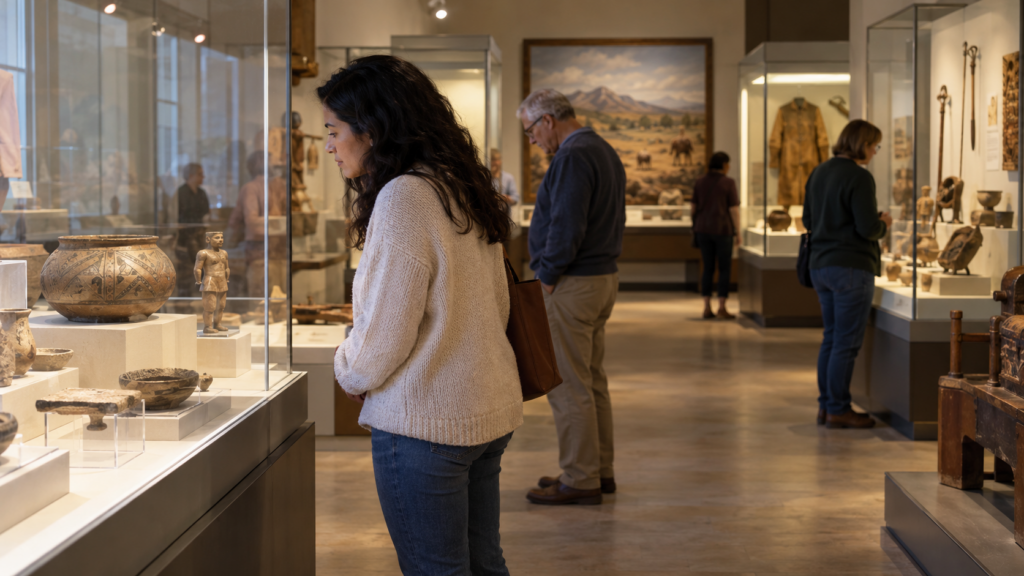
October 18, 2026
Choose the type of exhibition or collection you want to see and check current visitor information. Ask about opening, admission and temporary displays. A general description of a venue does not establish that a particular exhibition is running or that every room is open.
Read article →October 18, 2026
Explain the format, audience and practical route alongside the historical theme. Use current booking and access information, with suitable sources for factual interpretation. Avoid implying access to private buildings without agreement. A visitor guide should help people decide whether the activity’s pace and arrangements suit them before they register.
Read article →October 18, 2026
Confirm distance, surfaces, pace and the start and finish points. Ask about booking, weather and access requirements. Keep the organizer’s contact details and check whether the event involves entering any buildings rather than assuming every stop is open to participants.
Read article →October 18, 2026
Look for a current activity with an identifiable organizer, clear date and route or venue. Ask whether it is a guided visit, talk or self-directed trail. Historical information and visitor arrangements serve different purposes, so check the actual event details before attending.
Read article →
October 18, 2026
Provide a simple special-order route for title, edition and deadline. Explain availability checks and the point when an order is accepted. Keep deposits, returns and collection clear. Useful updates tell customers what has actually arrived rather than presenting a catalogue listing as current store stock.
Read article →October 18, 2026
Use an ISBN where available and explain format, language or publication requirements. Confirm price, order terms and collection arrangements. If you need a book by a particular date, ask for a realistic confirmation rather than treating an estimated supplier date as guaranteed.
Read article →
October 18, 2026
Give the shop the title, author and the edition you need. Ask whether it can source the book and when availability can be confirmed. A product appearing in a catalogue does not necessarily mean a copy is on the shelf or reserved for you.
Read article →
October 18, 2026
Provide fit, fabric and care information alongside photographs. Describe intended use without promising health or performance outcomes. Keep size guidance and return conditions clear, particularly for online orders. A beginner-focused display can help customers understand practical choices without suggesting they need a complete new wardrobe before attending one class.
Read article →
October 18, 2026
Try movements similar to the class where appropriate and check seams, length and adjustment. Read washing and return conditions. Choose around comfort and the activity rather than assuming a particular brand or appearance is required to take part.
Read article →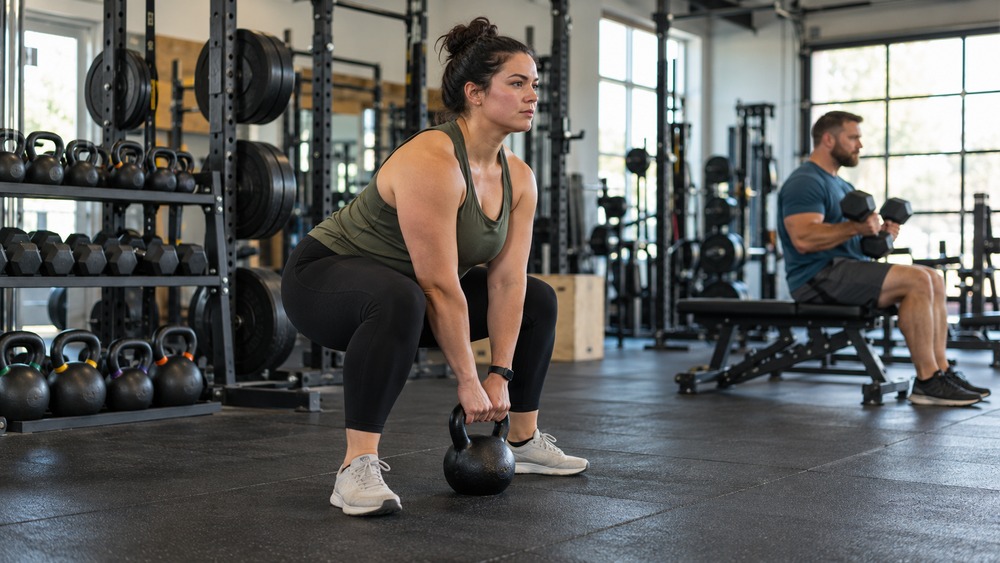
October 18, 2026
Check the class’s practical requirements before shopping. Think about movement, footwear and the room conditions, then ask a retailer about fit and care. A garment marketed for fitness may still differ in how it feels and functions during your chosen activity.
Read article →October 18, 2026
Organize products around use and fit, with a clear distinction between essential and optional items. Encourage customers to check their class requirements. Explain fitting and returns without making unsupported performance claims. A useful beginner offer should help someone attend their actual session rather than add equipment that may not be needed.
Read article →