News & guides
Local guides for Webster Groves, St. Louis and beyond.

October 18, 2026
Confirm width, care information and any preparation instructions for the fabric selected. Ask about matching thread, fastenings and return conditions. Keep the exact product details rather than assume a later purchase can always match the original material.
Read article →
October 18, 2026
Bring the pattern or a clear project description and ask about suitable materials. Fabric appearance alone does not establish that it suits the intended construction or use. Check the quantity and other supplies before buying, especially where a particular batch or color matters.
Read article →
October 18, 2026
Describe the kit contents and any required extras plainly. Show finished examples with relevant context instead of implying the result comes ready-made. Keep product guidance and stock accurate. A beginner inquiry should establish experience, interests and the intended project before suggesting tools or optional additions.
Read article →
October 18, 2026
Compare assembly requirements, materials and the time you want to spend. Ask for suitable beginner guidance and follow product instructions for tools or supplies. Check the exact kit version and age guidance rather than assuming a small model is necessarily the simplest project.
Read article →
October 18, 2026
Identify the type of model and the experience level you want. Ask what the kit contains and which tools or materials are separate. A finished display example may involve work and additions beyond the box, so clarify the actual starting package.
Read article →October 18, 2026
Explain player range and the style of play in familiar language. Separate theme from practical participation and identify the actual edition. Keep stock and demonstration information current. A helpful comparison supports a group’s preferences without labelling one title universally best or suggesting a purchase guarantees the same experience for every family.
Read article →October 18, 2026
Check player range, expected session format and whether reading or other requirements affect participation. Ask about demonstrations and gift returns where offered. Confirm the exact edition and contents instead of assuming different versions with a similar title play identically.
Read article →October 18, 2026
Think about player numbers, ages and the kind of experience the group enjoys. Ask a retailer about the actual game format rather than judging only the box or theme. A long competitive game and a short cooperative activity can suit very different gatherings.
Read article →October 18, 2026
Describe fitting support and practical product features accurately. Keep care and return conditions easy to find and separate specialist claims from general retail descriptions. Avoid promising that a particular shoe solves an individual’s health concern. A useful consultation helps customers understand fit and intended use without declaring one product suitable for everyone.
Read article →October 18, 2026
Try the footwear in the intended way where possible and ask about adjustment, care and returns. Compare the complete pair and practical use rather than appearance alone. Keep a custom or specialist order distinct from ordinary stock purchases when checking the terms.
Read article →
October 18, 2026
Explain how you intend to use the footwear and ask about fitting support. Sizes and construction can differ, so a familiar label or online photograph is not enough to establish fit. Raise any specialist requirements with an appropriate professional instead of expecting a general product description to answer them.
Read article →October 18, 2026
Use accurate item details and condition descriptions, with current availability. Explain fitting, reservation and returns rather than implying every size is stocked. Keep sold products updated promptly and obtain permission for identifiable customer photographs. A useful resale post helps someone assess the actual item rather than rely on a broad category image.
Read article →October 18, 2026
Inspect fit, care information and condition, including any repairs. Ask about returns and item descriptions before purchase. A familiar size label may not establish the fit of an individual garment, especially where it has been altered or its history is uncertain.
Read article →October 18, 2026
Look for current stock information and ask about the kind of clothing or size you need. Resale ranges change, so a photographed item may no longer be available. Check whether the shop offers fitting or reservations before planning a visit for a particular piece.
Read article →October 18, 2026
Publish accepted categories and the intake process without promising acceptance or a sale. Explain pricing authority, charges, payment and unsold items clearly. Record condition and responsibilities before goods are left. Customers should understand the actual consignment arrangement, not assume it is an immediate purchase by the business.
Read article →
October 18, 2026
Ask how pricing, sale charges and payment are handled, plus the period and outcome if an item does not sell. Confirm who moves and stores it and how condition is recorded. Keep the agreement rather than rely on a verbal estimate of likely proceeds.
Read article →October 18, 2026
Describe the items and ask whether the business currently considers that category. Acceptance may depend on condition, space and the agreed arrangement. A shop displaying similar goods does not establish that it will take your items or accept them without inspection.
Read article →
October 18, 2026
Describe the actual item, condition and known repairs clearly. Distinguish documented history from uncertainty and avoid unsupported value claims. Keep photographs current and identify sold items. A useful listing lets customers ask informed questions, with inspection, purchase and collection terms explained before a unique piece is reserved or transported.
Read article →
October 18, 2026
Ask about condition, repairs and the basis for any history or attribution. Confirm dimensions and collection arrangements. Treat statements of value or origin carefully and obtain suitable independent advice where it matters, rather than assuming age alone determines quality or suitability.
Read article →October 18, 2026
Choose the kind of item and ask about current stock before a special trip. Antiques can vary in condition and history even when they look similar. A general shop description or old photograph does not establish that a particular piece is still available.
Read article →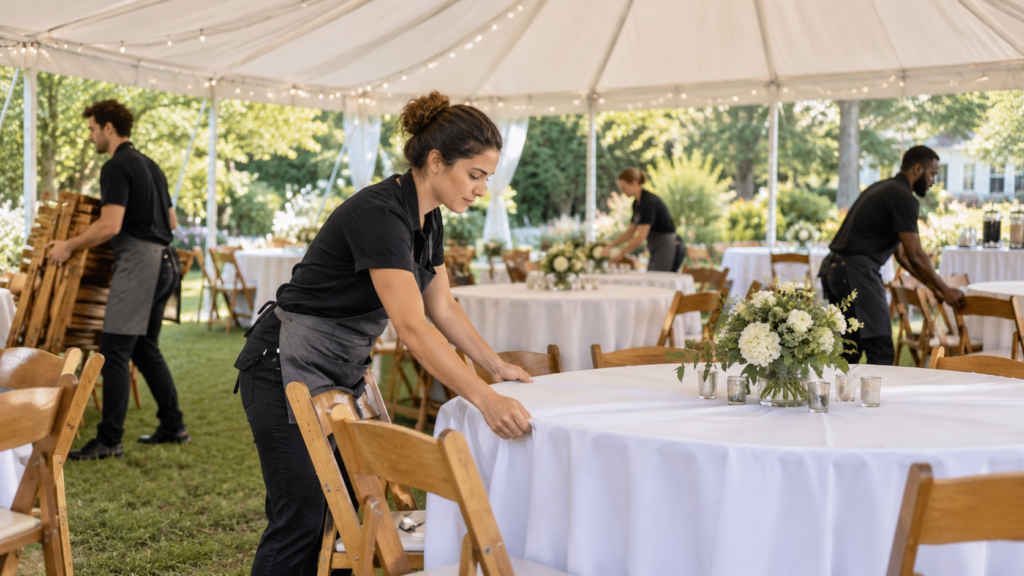
October 18, 2026
Agree event dates, participation and wording with the organizer before posting. Keep each business’s offer and opening arrangements accurate. Explain conditions and update changed information across shared channels. District or Chamber involvement should be described only as agreed, without implying that every business, product or activity is included.
Read article →
October 18, 2026
Confirm participating businesses, hours and any tickets or reservations you need. Ask individual shops about product availability rather than assume every display or offer is part of the shared event. Check the update route for weather or other changes.
Read article →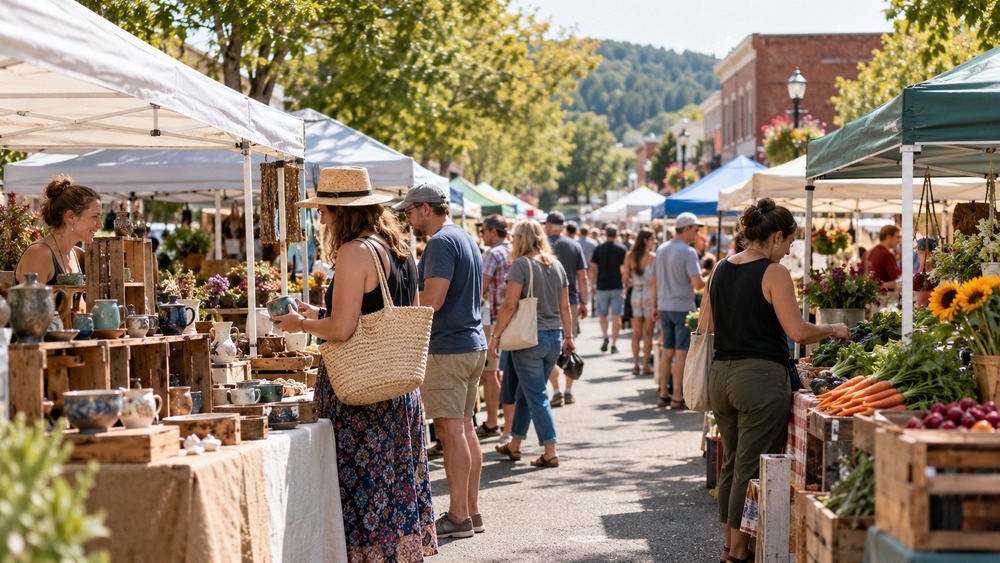
October 18, 2026
Use the current organizer’s information to confirm the district, date and event format. A recurring event name or older seasonal poster does not establish this year’s arrangements. Check whether a listing invites general visitors or a particular registered group.
Read article →
October 18, 2026
Explain when a collection is ready and where customers should arrive. Keep reference and authorization procedures private and proportionate. Distinguish a request from an accepted appointment or completed order. A clear notification reduces uncertainty without promising that every product or service can be delivered immediately to an unannounced visitor.
Read article →