Category: <span>Home Maintenance</span>

October 18, 2026
Show the repaired area and explain material and preparation choices in case studies. Avoid presenting every crack or weathered joint as the same problem. A written proposal should identify the surveyed scope, finish agreement, access and exclusions, with a process for discussing findings that require different specialist work.
Read article →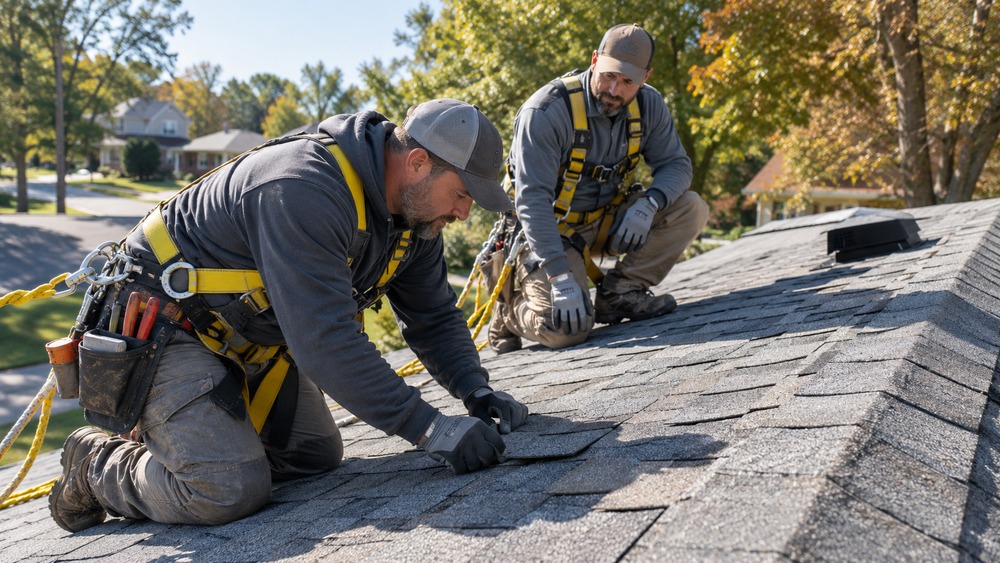
October 18, 2026
Compare the area, preparation, materials and finishing in each proposal. Ask how surrounding surfaces are protected and how a sample finish is agreed. Keep repairs to mortar joints distinct from work addressing movement or another underlying issue.
Read article →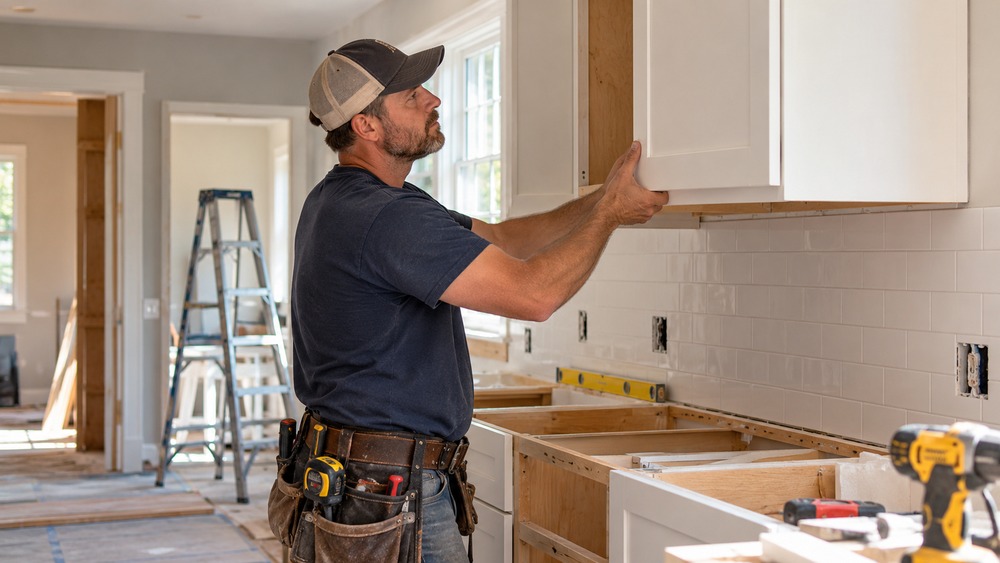
October 18, 2026
Describe the wall or feature and the visible issue, with photographs from ground level. Ask about experience with the existing construction and repair type. A contractor needs to assess the cause and extent before recommending work solely from the appearance.
Read article →October 18, 2026
Group service information by supported equipment and appointment purpose. Explain what customers should have ready and what requires a professional visit. Keep installation, maintenance and diagnosis separate, and avoid giving unsafe do-it-yourself instructions through a marketing page. Confirm the accepted scope before taking a booking.
Read article →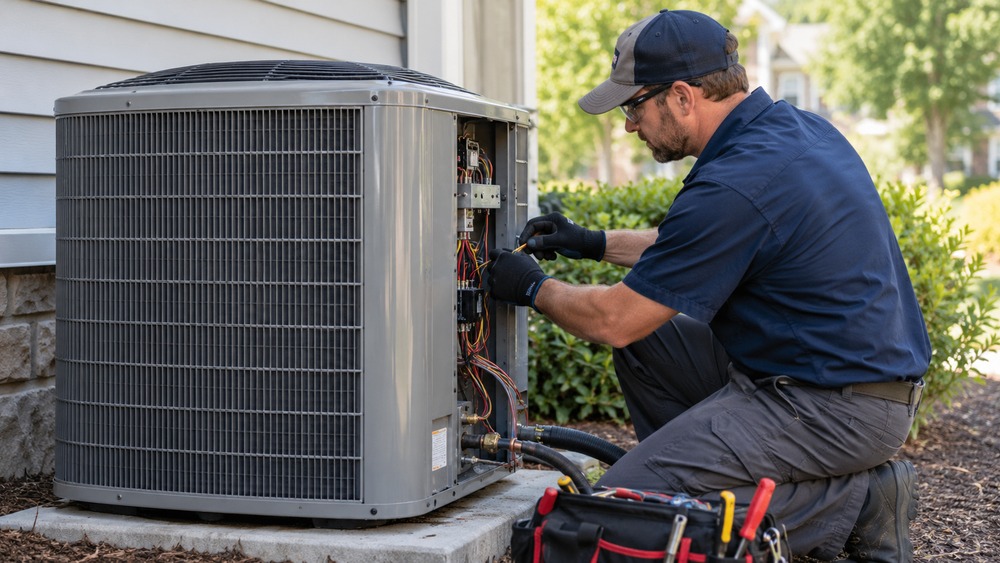
October 18, 2026
Provide the model information you can read safely, symptoms and service history. Ask what the appointment covers and how charges are approved. Do not dismantle equipment to identify it; explain unclear details to the provider and let a suitable professional assess them.
Read article →October 18, 2026
Identify the fireplace or appliance type before contacting a provider. Ask whether the business services that model and fuel arrangement. Installation, cleaning and fault investigation require different bookings, and the right first step depends on the equipment and concern.
Read article →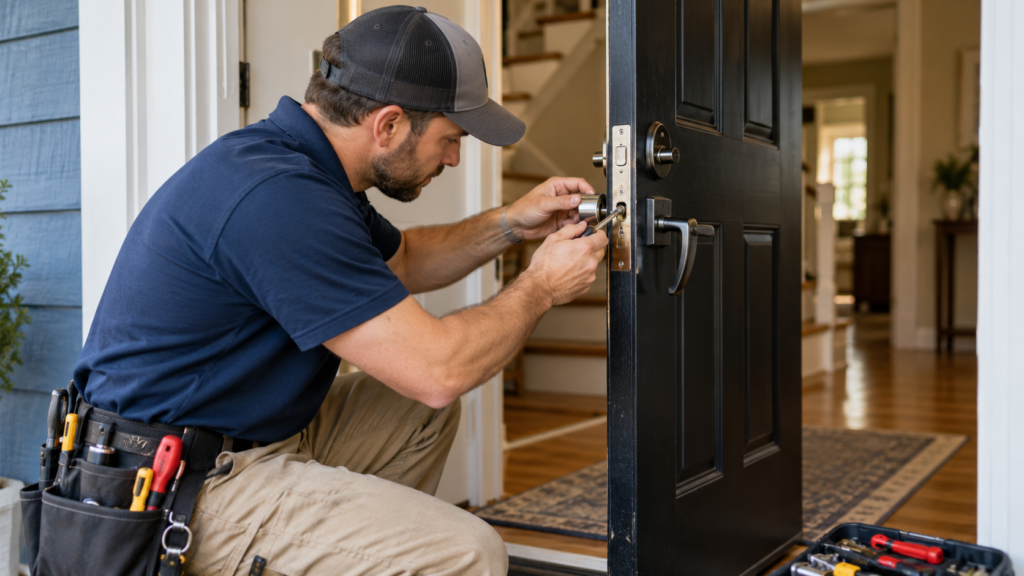
October 18, 2026
Publish separate descriptions for cleaning, inspection and repairs, with clear supported appliance types. Explain preparation and reporting. A booking page should make the scope understandable without implying that a single service certifies every component. Ask enough questions to identify the right appointment and explain when another specialist may be required.
Read article →October 18, 2026
Confirm accessible areas, preparation and the form of any report. Ask how additional findings are handled and whether further specialist work would be separately arranged. Follow the provider’s advice on the condition of the installation rather than assuming a cleaning visit confirms every aspect is suitable.
Read article →October 18, 2026
Describe the chimney, connected appliance and the work you are seeking. Ask whether the business offers sweeping, inspection, masonry repairs or another service. These are different tasks, so a general chimney-maintenance label is not enough to compare appointments.
Read article →
October 18, 2026
Describe the investigation process and the information customers can safely collect. Explain how findings lead to options, with costs and limitations stated separately. Avoid diagnosing every basement from a short message or promising a universal fix. Relevant case studies should identify the circumstances and work for that property only.
Read article →
October 18, 2026
Note dates, weather and affected areas, using photographs from safe conditions. Mention recent work or changes without assuming they caused the problem. Ask how findings, options and limitations will be reported, and separate investigation fees from any later treatment.
Read article →October 18, 2026
Look for a business that assesses the cause and scope before recommending treatment. Explain where water appears and whether it follows rainfall or another event. Keeping an observation record is useful; it does not replace an assessment of the property.
Read article →