News & guides
Local guides for Webster Groves, St. Louis and beyond.
October 18, 2026
Note the visible error message, affected cycle and any recent change. Describe whether the issue is intermittent without assuming the cause. Provide model information from an accessible label, and leave removing panels or disconnecting the machine to an appropriate professional.
Read article →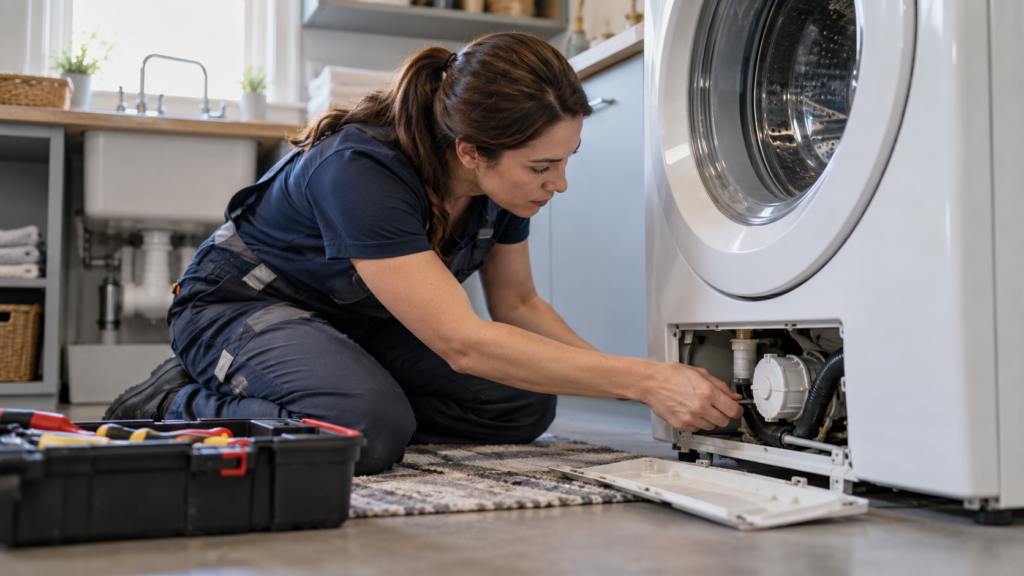
October 18, 2026
Ask about support for your make and model, then explain the fault and when it occurs. A built-in appliance may have access requirements different from a freestanding one. Confirm how diagnosis is charged and whether installation work is a separate service.
Read article →
October 18, 2026
Publish supported domestic equipment and the information needed to book. Explain the diagnostic stage and how a repair proposal is confirmed. Avoid guaranteeing a quick fix from a symptom alone. Keep availability statements realistic, with a clear way for customers to discuss the circumstances of the appliance and the visit.
Read article →
October 18, 2026
Compare diagnosis, parts, labor and any return visit. Ask what happens if the proposed repair changes after assessment. Explain access and appliance size, and confirm how estimates are approved before work proceeds. Keep equipment and repair warranties distinct.
Read article →October 18, 2026
Identify the refrigerator type, model and the change in performance. Ask whether the repair business handles that equipment and how it schedules an assessment. Describe the symptoms accurately rather than requesting a part based on an online guess.
Read article →October 18, 2026
Explain supported appliances, diagnostic charges and repair authorization in one place. Ask for model details and symptoms without requesting unsafe dismantling. State how parts and additional visits are quoted. A customer should understand the difference between booking an assessment and approving a repair that has not yet been identified.
Read article →
October 18, 2026
Have safe access, model information and any purchase or service records ready. Ask whether moving the appliance is part of the service. Confirm diagnostic charges, parts ordering and the point when you must approve further work, rather than assuming a visit covers every possible fault.
Read article →October 18, 2026
Give the machine make, model and symptoms to a repair provider and ask whether that equipment is supported. Describe leaks or error messages without attempting a repair. Clarify whether the first visit diagnoses the issue or includes an agreed repair.
Read article →October 18, 2026
Describe identification, assessment and the proposed service separately. Explain how customers receive preparation and follow-up instructions appropriate to the job. Avoid a generic promise that one treatment solves every infestation. Keep pricing assumptions, visit numbers and the process for reporting continued signs clear before an agreement is accepted.
Read article →October 18, 2026
Ask about preparation, occupancy instructions and any follow-up included in the proposal. Explain pets and other relevant household circumstances privately. Use the provider’s written instructions for the specific service, and clarify what a repeat visit or ongoing plan would involve.
Read article →
October 18, 2026
Explain the signs you have noticed, where they appear and when they started. Ask how the provider identifies the issue before proposing treatment. Avoid assuming the species or using a household remedy as a substitute for an appropriate assessment.
Read article →
October 18, 2026
Help customers distinguish a repair inquiry from a replacement project. State supported materials and explain how matching is assessed. A clear quote identifies the areas, trim, preparation and exclusions. Use measured descriptions of likely results and make the change process explicit when concealed conditions may affect the job.
Read article →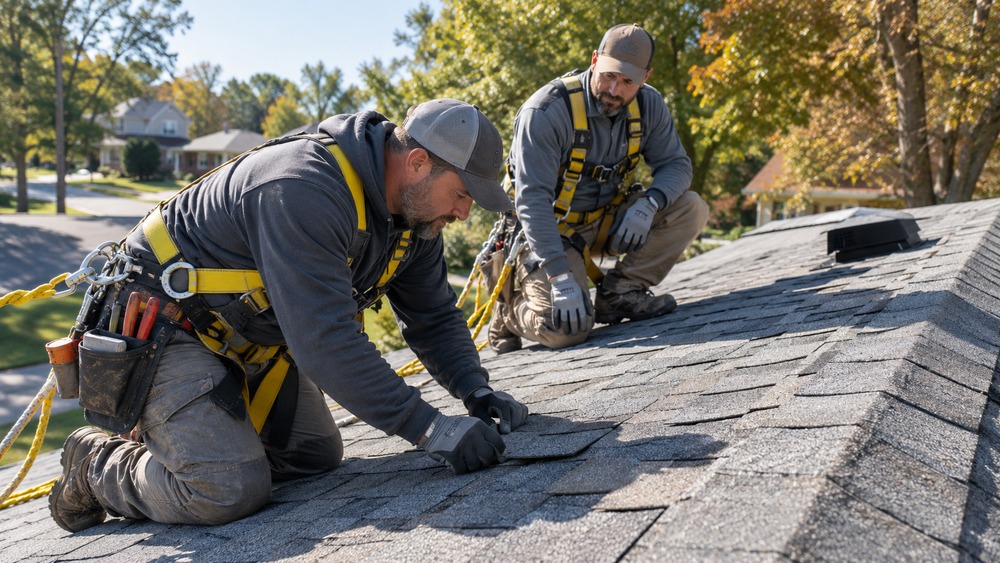
October 18, 2026
Provide photographs from ground level and explain access constraints. Ask about matching, preparation and making good. Confirm whether trim, disposal and any underlying work are included, and agree how unexpected findings would be quoted before additional work begins.
Read article →October 18, 2026
Describe the siding material if known and the visible damage. Ask whether the provider handles repairs as well as replacement. A damaged panel may need assessment of the surrounding installation, so avoid choosing the extent of the work from a photograph alone.
Read article →
October 18, 2026
Describe how assessment determines the repair area and material approach. Separate a local repair from full replacement. Explain how customers approve a wider scope if conditions become clearer after lifting. Before-and-after photographs should show the actual completed section without suggesting a cosmetic change resolves every underlying problem.
Read article →October 18, 2026
Ask which areas need lifting, what preparation is proposed and whether existing materials can be reused. Confirm how repaired sections meet adjacent surfaces. Compare scope and exclusions rather than assuming the smallest visible patch is the full extent of the necessary work.
Read article →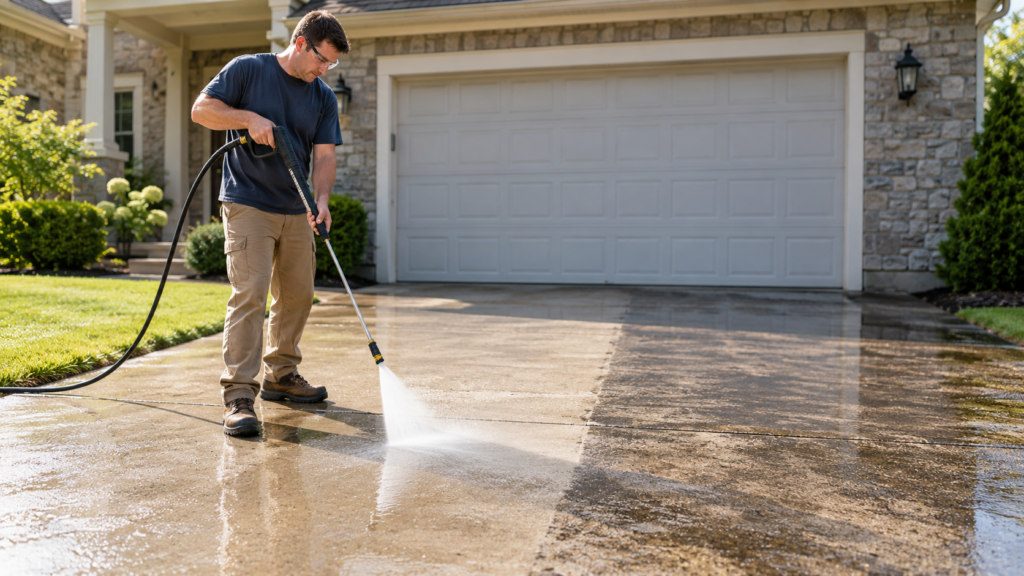
October 18, 2026
Identify the affected area and describe changes you have noticed, such as movement or pooling water. Ask a contractor to assess the cause before simply relaying the visible surface. Photographs can help explain location but do not establish the underlying condition.
Read article →October 18, 2026
Ask about intended use, furniture, access and the existing site before quoting. Explain the distinction between a design discussion and a measured proposal. Useful project examples show how a layout meets a brief, with preparation and finishing described. Confirm customer approval before treating an idea as the agreed construction plan.
Read article →October 18, 2026
Measure furniture and allow room to move around it. Consider the route from the house and where doors open. Discuss levels, surface choices and drainage with the contractor rather than treating the layout as a decorative drawing detached from the site.
Read article →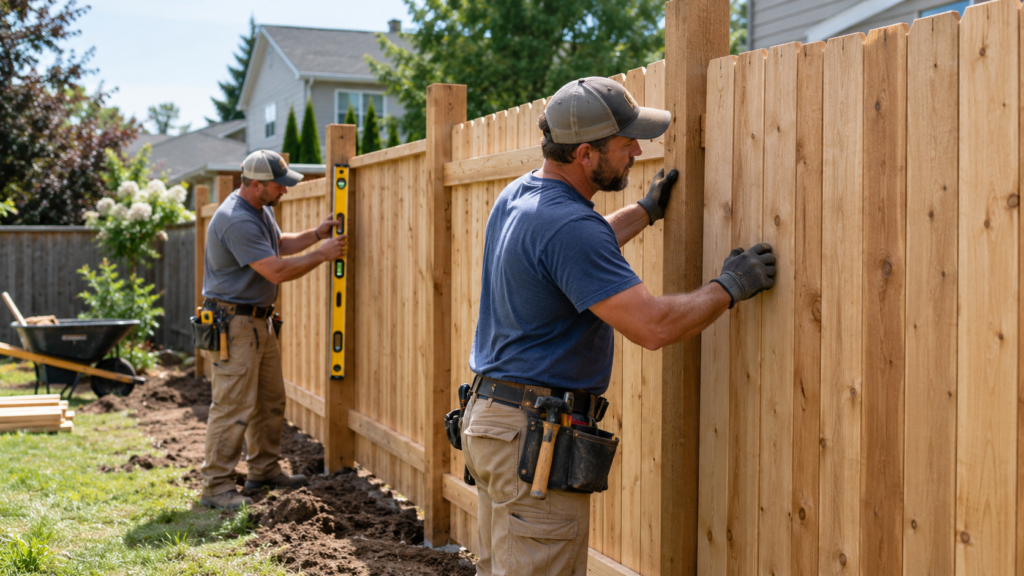
October 18, 2026
Explain whether the patio is for dining, seating or another use and identify the area you want assessed. Ask contractors to consider access and existing levels before suggesting a finish. A larger paved area is not automatically a more useful layout.
Read article →October 18, 2026
Explain excavation, preparation, surfacing and finishing as separate parts of a proposal. Use site-specific plans and describe assumptions. Show customers how they approve layout and variations. Photographs can demonstrate completed work, but should not imply that one construction method or finish suits every property and pattern of use.
Read article →October 18, 2026
Compare maintenance, appearance and the proposed construction for your site. Ask how drainage, edges and transitions are handled by the contractor. Confirm removal and cleanup, and keep changes to the agreed layout documented instead of relying on a rough sketch alone.
Read article →October 18, 2026
Describe vehicle use, the existing surface and any access limitations. Ask for an assessment before comparing materials or prices. A complete driveway proposal needs to explain preparation and layout rather than only the visible surface you will see afterward.
Read article →October 18, 2026
Show the repaired area and explain material and preparation choices in case studies. Avoid presenting every crack or weathered joint as the same problem. A written proposal should identify the surveyed scope, finish agreement, access and exclusions, with a process for discussing findings that require different specialist work.
Read article →