News & guides
Local guides for Webster Groves, St. Louis and beyond.

October 18, 2026
Ask about entry, opening times and weather arrangements. If seeking a particular product, check with the maker before travelling. Plan payment and collection for bulky or commissioned items instead of assuming every purchase can be taken home immediately.
Read article →
October 18, 2026
Use current local event information to identify a market and confirm its date, venue and organizer. Check the year on shared flyers. A maker’s attendance at a previous event does not establish that they will be there again or bring the same stock.
Read article →
October 18, 2026
State the operating format, attendant arrangements and outputs clearly. Explain design approval and any print or download limits. Keep guest-image use and privacy understandable, with permission for promotional reuse. A complete proposal should identify setup and event time separately and give the organizer a support route.
Read article →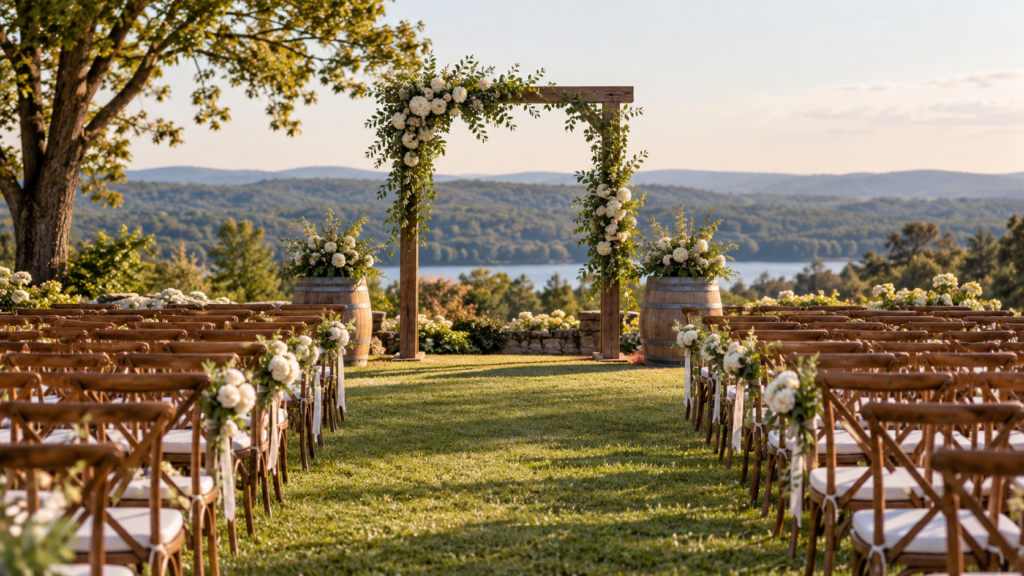
October 18, 2026
Compare use time, print allowance, design approval and file delivery. Ask about consent and handling of guest images. Confirm setup, access and what happens if equipment fails, rather than judging the service only by a sample backdrop.
Read article →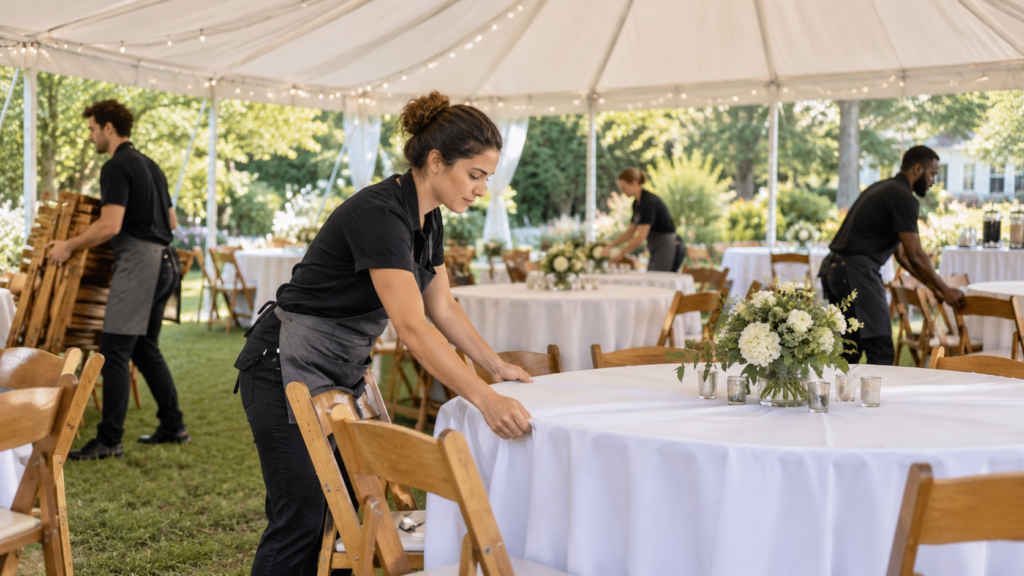
October 18, 2026
Describe the venue, guest numbers and period of use. Ask about space, operation and whether an attendant is included. A photo-booth package may focus on digital images, prints or another output, so confirm what guests actually receive.
Read article →October 18, 2026
Describe lineup, performance sets and equipment clearly. Explain requests, breaks and setup access before accepting the event. Use representative recordings without implying every package contains the same musicians. A written schedule helps clients compare complete arrangements and avoids treating a general promotional video as the full booking specification.
Read article →
October 18, 2026
Compare set length, breaks, sound, travel and setup rather than only the total performance time. Ask how a special request is handled and whether background music is provided between sets. Keep the confirmed lineup and schedule with the booking.
Read article →
October 18, 2026
Choose the atmosphere and style you want, then ask about the act, repertoire and format. A performer may offer several lineups with different space and equipment requirements. Confirm which people and services are part of the particular proposal.
Read article →October 18, 2026
Explain performance, hosting and supplied equipment as separate inclusions. Use a structured brief for timing, audience and venue needs. Keep extra hours and changes clear before confirmation. Portfolio examples should show the relevant event format with permission, without implying that one playlist or setup suits every audience.
Read article →October 18, 2026
Explain the event schedule, preferred atmosphere and important announcements. Ask who supplies sound and any lighting, and confirm setup access. Record the agreed music approach and changes process without assuming an unlimited request list is part of every booking.
Read article →October 18, 2026
Describe the occasion, venue and audience, then ask about experience with that event format. Discuss music, hosting and equipment rather than assuming they are all included. A performance booking should identify the actual date and service time, not only a general package title.
Read article →October 18, 2026
Collect the venue, audience and content requirements before proposing equipment. Explain installation, rehearsal and operator support separately. Keep compatibility assumptions visible and agree a problem-contact route. A useful quote identifies the complete working arrangement instead of leaving cables, connections or staff responsibilities to be guessed on the event day.
Read article →October 18, 2026
Arrange a test of the presentation, sound and connections in the intended setup. Confirm power, cables and who handles problems during the event. Keep a practical backup plan and distinguish setup time from the audience-facing session when booking access.
Read article →
October 18, 2026
Describe the venue, audience and what will be presented. Ask whether the supplier provides equipment only or an operator as well. Microphones, screens and connections should be chosen around the event’s actual needs rather than assembled from a list of familiar product names.
Read article →
October 18, 2026
Explain site assessment, installation and use conditions before confirming the hire. Identify access and customer responsibilities clearly. Avoid broad all-weather promises. A proposal should record the actual site and intended event, with a clear communication plan if conditions make the agreed installation or use unsuitable.
Read article →October 18, 2026
Ask about installation, securing, use limits and the procedure for changing conditions. Confirm who checks any required permissions and the full access period. Do not assume a hired structure can be positioned anywhere simply because there appears to be enough space.
Read article →October 18, 2026
Give the date, intended use and expected attendance, then ask how the company assesses the location. Describe the ground and access without choosing a tent size solely from guest numbers. A shelter is part of an event plan, not a guarantee that all weather conditions are suitable.
Read article →October 18, 2026
Publish item dimensions and describe delivery, setup and collection separately. Explain access information and when quantities become fixed. Keep charges and responsibilities clear before a booking is accepted. An example layout can help customers understand the order, but should not replace confirmation of the actual site and event requirements.
Read article →October 18, 2026
Confirm sizes, quantities and any coverings or accessories. Agree delivery and collection windows and who handles setup. Check cleaning, damage and missing-item terms, keeping the order record with the event plan so changes in numbers are reflected accurately.
Read article →October 18, 2026
List the event date, location and items needed, then ask about availability and site access. Check whether the service delivers, installs or only hires the items. A table count alone does not describe the full layout or the time the equipment must be available.
Read article →
October 18, 2026
Explain the task information needed to select suitable equipment and what instruction is supplied. Publish hire periods, accessories and charges clearly. Keep assessment and training requirements appropriate to the machine. A rental listing should not encourage customers to undertake a task beyond their competence simply because the tool is available.
Read article →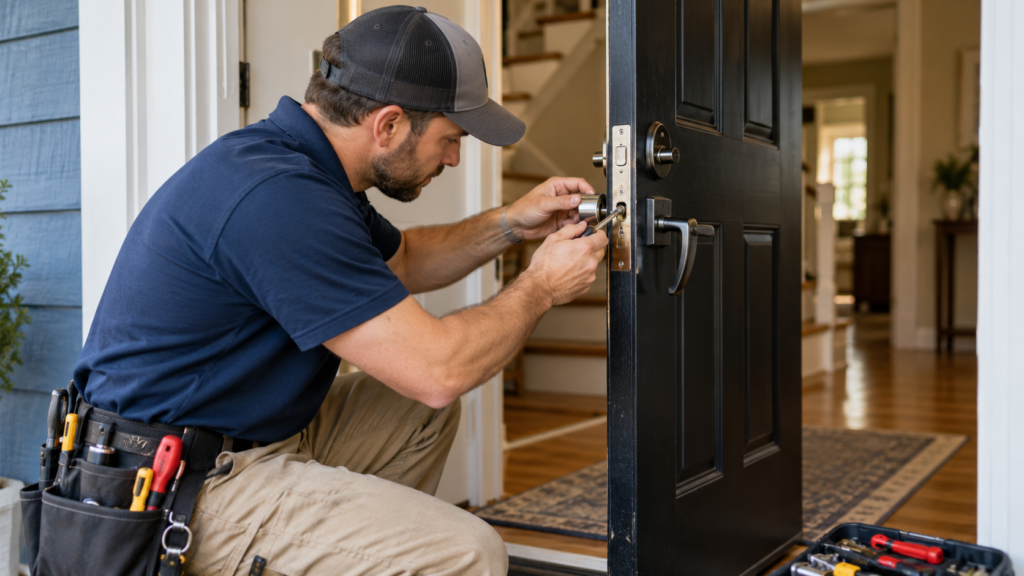
October 18, 2026
Confirm the hire period, collection, return and included accessories. Ask about operating information, damage reporting and any consumables. Check the equipment condition with the provider and keep the agreement, rather than assuming a deposit is the total cost of hire.
Read article →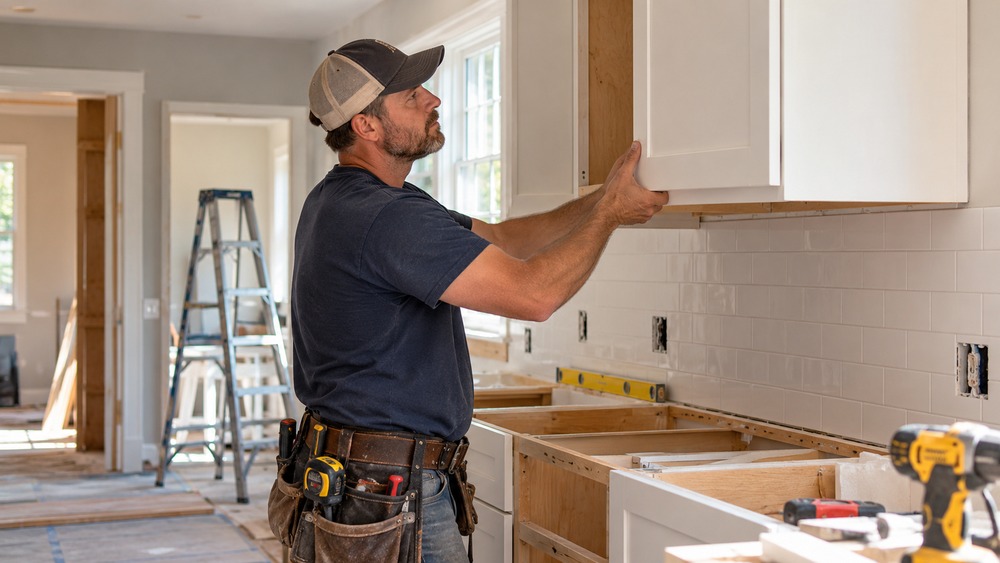
October 18, 2026
Describe the task and ask the hire business what equipment it supports and how suitability is assessed. Explain your experience honestly. Renting a machine does not replace appropriate training, safe working conditions or a specialist when the job requires one.
Read article →
October 18, 2026
Show dimensions and practical use alongside product images. Explain delivery, assembly and returns, with custom-order terms identified before purchase. A workspace inquiry should establish room and equipment needs without making unsupported comfort or health promises. Keep available stock and lead-time information accurate and distinguish a sample display from a reserved item.
Read article →