News & guides
Local guides for Webster Groves, St. Louis and beyond.

October 18, 2026
Ask how previous records are requested and what information should be supplied privately. Confirm the appointment purpose and any assessment charges. If using insurance, check arrangements with both the office and plan rather than assuming every service or provider is covered.
Read article →
October 18, 2026
Ask whether the practice is accepting new patients and what kind of first appointment it offers. Discuss booking, records and payment arrangements directly. A directory listing helps identify an office, but does not confirm availability or establish that a particular treatment is appropriate for you.
Read article →
October 18, 2026
Give notices a clear purpose, date and monitored contact. Follow each channel’s posting rules and identify who updates changes. Local Chamber and community channels can be useful where submissions are accepted. Keep private information out of public announcements and avoid presenting an expired event or offer as a current invitation.
Read article →
October 18, 2026
Read the original notice and verify the date, contact and intended audience before forwarding it. Avoid adding personal details or an endorsement the organizer did not give. If arrangements change, share the correction through the same channels where possible rather than leaving the old version circulating.
Read article →
October 18, 2026
Look for an identifiable organizer and current date when using community notices. Confirm whether an announcement is information, an event or an offer with its own conditions. A post shared widely is not automatically current or complete, so check details that affect your plans.
Read article →
October 18, 2026
Describe contents or the selection process accurately, with substitutions explained before purchase. Separate product value, packaging and delivery. Keep personal messages and recipient details private. A clear order confirmation should record the accepted arrangement rather than leave customers assuming that every item in a sample photograph is guaranteed.
Read article →
October 18, 2026
Check contents, substitutions, packaging and the delivery or pickup arrangement. Raise dietary or other suitability questions through the supplier’s contact process. Confirm the message and recipient details carefully, keeping a delivery request distinct from a date the business has actually accepted.
Read article →
October 18, 2026
Explain the recipient, occasion and budget, then ask what the business can assemble. Confirm whether you are choosing exact products or a selection within a theme. A sample box may show a style rather than the precise items available for your order.
Read article →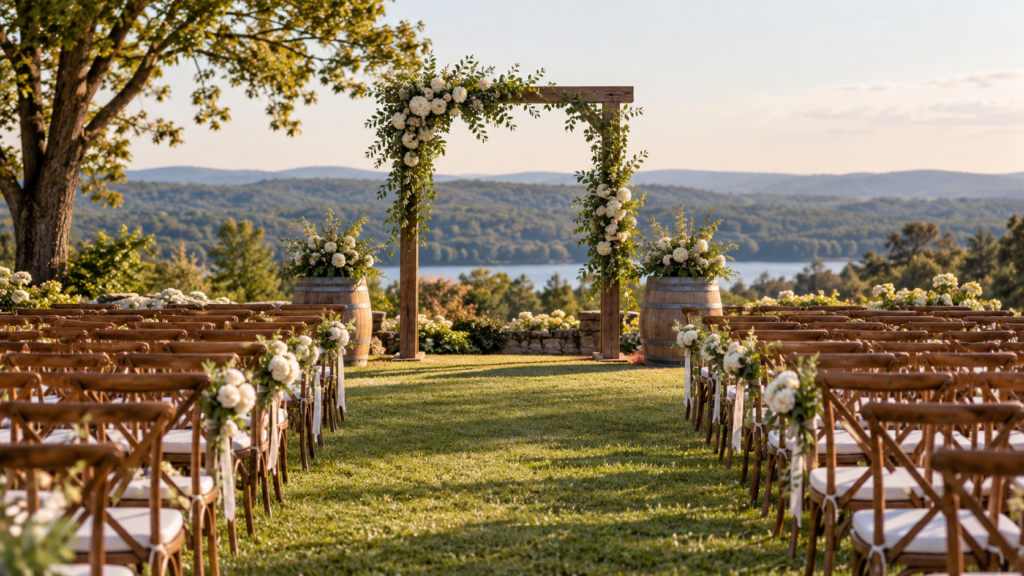
October 18, 2026
Label hired, purchased and optional items clearly. Explain design approval, installation and removal with venue requirements and access. Keep photographs representative of the quoted scope rather than showing a larger arrangement without explanation. A useful proposal identifies the complete display period and how changes, damage or extra items are approved.
Read article →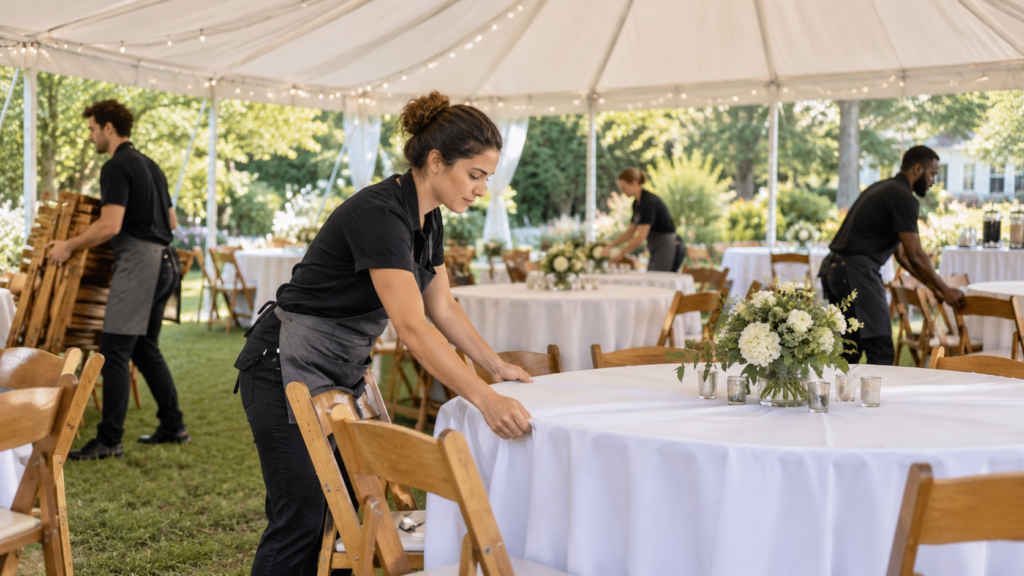
October 18, 2026
Compare hired items, setup, removal and any venue requirements. Ask what happens if the layout changes and which items are purchased rather than returned. Confirm access times and responsibility for damage so the agreement covers the full display period.
Read article →
October 18, 2026
Describe the occasion, venue and period the display must remain in place. Ask whether the business supplies items only or designs and installs the display. A promotional arrangement should not be assumed to include every element shown in the photograph.
Read article →October 18, 2026
Separate advice, assessment and a hands-on repotting service. Explain accepted plant sizes, transport and supplied materials clearly. Avoid diagnosing every problem from a picture or promising recovery. A booking should identify the plant and intended work, with customer approval before changes and suitable aftercare information for that particular item.
Read article →
October 18, 2026
Provide plant information, pot dimensions and recent care history. Ask which materials and handling are included and whether you must transport the plant. Confirm the proposed work and aftercare before agreeing, especially where the plant is large or difficult to move.
Read article →
October 18, 2026
Ask whether the business offers a repotting service or advice, and describe the plant and current container. Explain what has changed without assuming a larger pot is always the answer. A photograph can support an inquiry but may not show the condition of the roots or growing medium.
Read article →October 18, 2026
Describe each plant’s practical requirements and the information a customer should provide about the intended space. Keep plant names and care information accurate. Avoid universal easy-care or pet-safe claims. A useful display connects the plant, pot and growing conditions without suggesting that appearance alone establishes suitability for a home.
Read article →October 18, 2026
Consider available space, watering routine and household suitability. Ask about the pot, drainage and care information supplied. Choose a manageable plant and keep its label, rather than assuming every indoor variety follows the same schedule or is appropriate around every pet.
Read article →October 18, 2026
Describe the room and the light it receives before selecting a plant. Ask a retailer to explain the particular plant’s needs and mature size. A plant displayed attractively in a shop may require different conditions from the place you intend to keep it.
Read article →
October 18, 2026
Publish the group’s purpose, current meeting arrangements and how visitors join. Explain experience level, fees and equipment without assuming newcomers understand the routine. Keep contact details monitored and obtain permission for participant photographs. A welcoming guide should make the first visit understandable while accurately describing any membership expectations.
Read article →October 18, 2026
Confirm location, time, any fee and how to introduce yourself. Ask about equipment or preparation and explain access needs privately. Keep the meeting confirmation available and check whether one visit commits you to membership or is simply an opportunity to learn more.
Read article →
October 18, 2026
Choose an interest and look for a current meeting or activity with an identifiable contact. Ask whether visitors can attend and whether a particular level of experience is expected. A group page or old calendar does not establish that the next meeting is open to everyone.
Read article →October 18, 2026
List accepted items, booking and the assistance available. Explain volunteer roles and practical limits without guaranteeing a repair. Identify supervision, parts and charging arrangements before the event. Keep customer property and photographs subject to appropriate consent, and make clear when an item needs a different specialist rather than encouraging unsuitable work.
Read article →October 18, 2026
Describe the item and fault before attending if requested. Confirm booking, parts and any charges or donations. Ask what happens if a repair is unsuitable, and do not assume that attendance guarantees a completed repair or establishes the condition of the whole item.
Read article →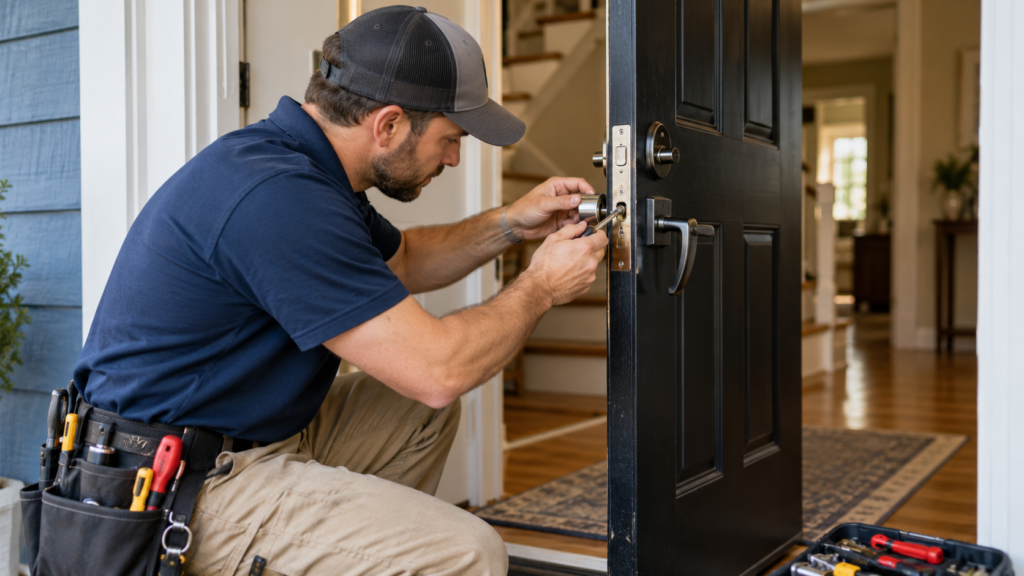
October 18, 2026
Look for a current event with a clear organizer and accepted item types. Ask whether the session offers assessment, advice or hands-on help. A community event is different from a commercial repair booking and may have limited equipment or volunteer expertise.
Read article →
October 18, 2026
Publish current needs, acceptance criteria and the collection route clearly. Update capacity or seasonal changes promptly. Avoid implying all items can be collected or sold. A useful request tells donors how to obtain confirmation, with a named contact and practical instructions that staff or volunteers can consistently follow.
Read article →