News & guides
Local guides for Webster Groves, St. Louis and beyond.

October 18, 2026
Explain access, layout, preferred equipment and how the area will be used across the year. Ask who coordinates specialist tasks and maintenance. Keep appliances, supporting construction and optional accessories separately identified so the proposal describes a complete assessed arrangement.
Read article →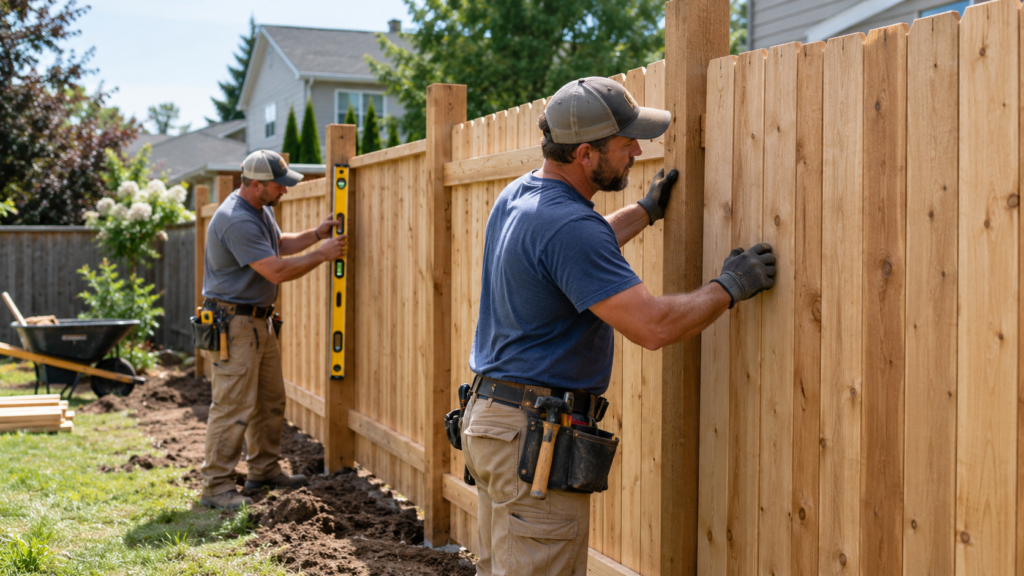
October 18, 2026
List how you intend to cook, serve and store items, then ask about site assessment. Equipment supply, construction and utility-related work may involve different specialists. A showroom arrangement should not be treated as a ready-made installation for every garden.
Read article →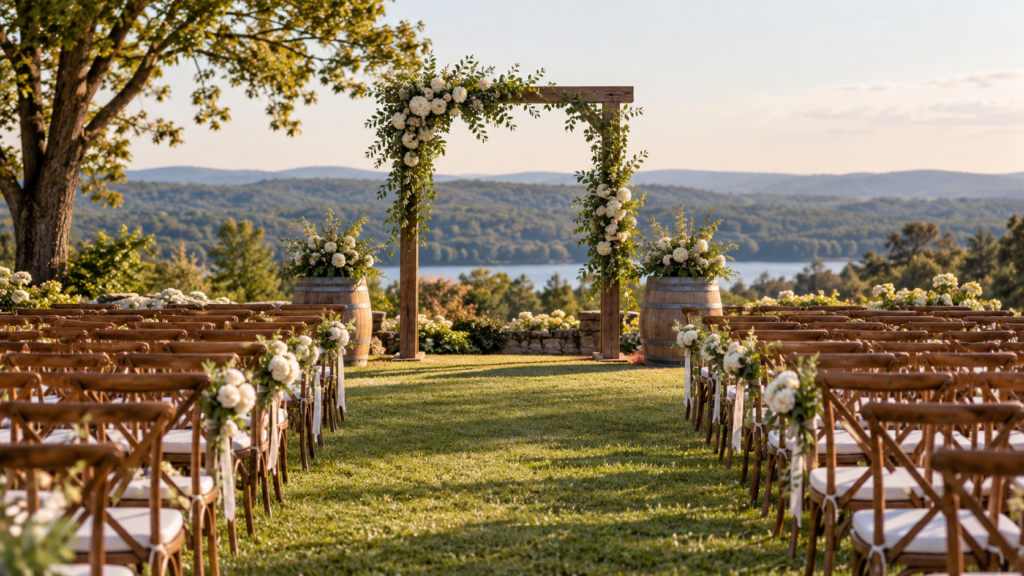
October 18, 2026
Explain site assessment, design and construction scope clearly. Distinguish the base structure from optional covers, screens or equipment. Avoid broad all-weather claims. Use a written proposal and appropriate drawings to confirm materials, position and responsibilities before the customer treats a promotional picture as the approved project.
Read article →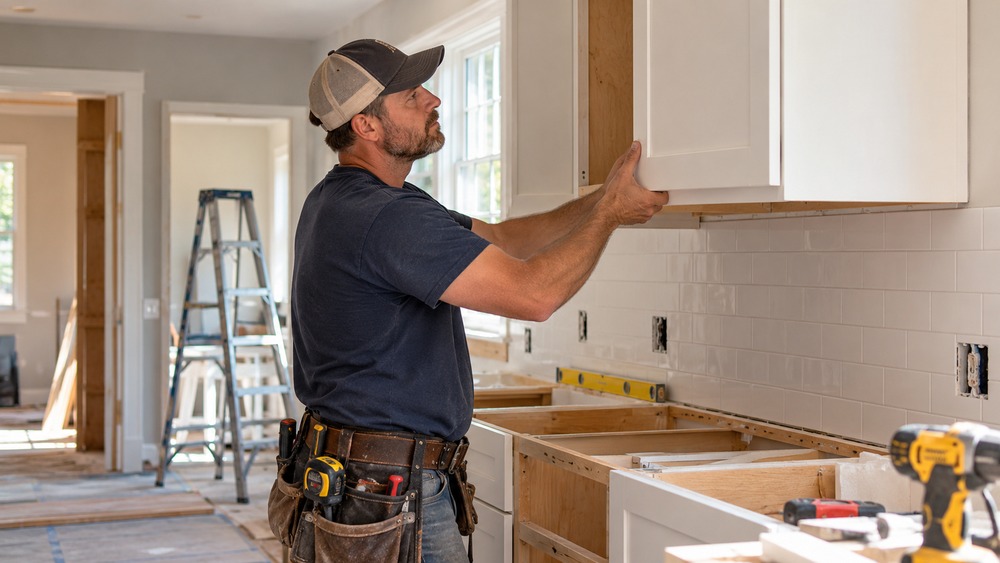
October 18, 2026
Compare the design, foundations, materials and finishing. Ask who checks current requirements and the position in relation to the property. Confirm what protection the proposed structure actually provides rather than assuming every pergola is an enclosed or all-weather room.
Read article →October 18, 2026
Describe how you want to use the space and ask a contractor about the site and structure. Shade, appearance and weather protection are different aims. A reference image may show optional features or a layout that does not suit the ground and access at your home.
Read article →October 18, 2026
Ask about purpose and site conditions before selecting equipment. Separate design, products, specialist installation and support. Keep performance claims appropriate and avoid promising that a photograph will translate directly to another garden. A proposal should identify the agreed layout, controls and responsibilities, with any required checks and approvals clearly allocated.
Read article →
October 18, 2026
Identify areas, operating times and control preferences. Ask about installation, maintenance and the handover information. Compare a complete working arrangement rather than a list of fixtures, and confirm how changes around the property affect the proposal.
Read article →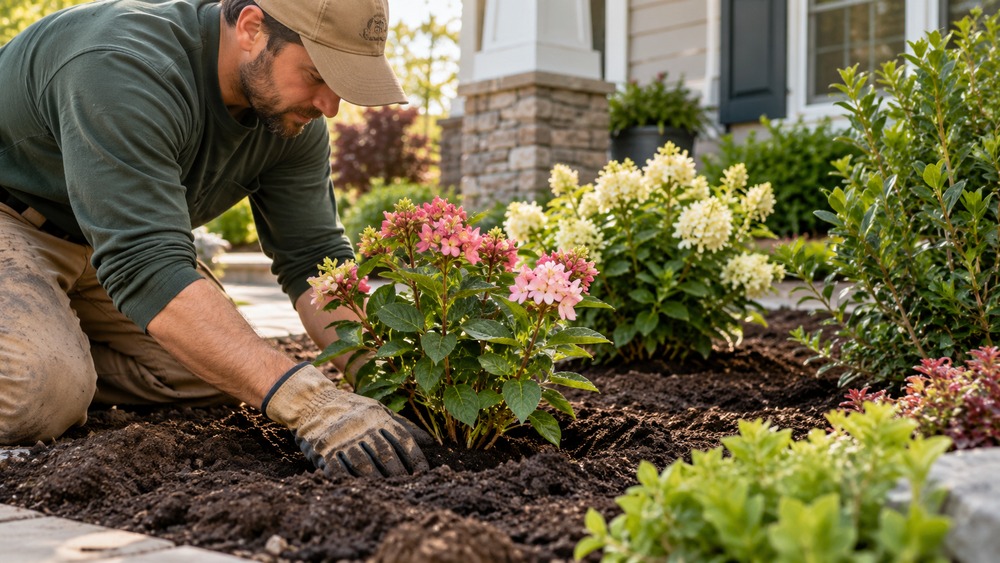
October 18, 2026
Explain whether the lighting is for routes, entrances, garden features or another purpose. Ask an appropriate installer to assess the site and proposed work. Decorative references help communicate an idea but do not replace design, equipment selection or required specialist installation.
Read article →
October 18, 2026
Describe assessment, preparation and supply as parts of the job. Explain aftercare responsibilities and limits on the proposed result. Avoid promising that every site will establish identically. A useful inquiry identifies the area and existing conditions, with a written scope and customer approval before additional ground work is undertaken.
Read article →
October 18, 2026
Compare removal, ground preparation, material and aftercare arrangements. Ask when installation is appropriate and what the household needs to do afterward. Confirm the exact area and who handles access or disposal instead of treating a square-foot price as the complete project.
Read article →October 18, 2026
Describe the area, existing ground and the reason for replacing it. Ask the installer to assess conditions before recommending sod or another approach. A patch looking bare does not establish that simply laying a new surface will resolve the underlying issue.
Read article →
October 18, 2026
Explain survey, design, installation and handover separately. Record the customer’s growing areas and practical aims without promising identical water savings or plant results. A written proposal should identify coverage, controls, maintenance responsibilities and any necessary checks, with clear approval for the final layout and changes.
Read article →October 18, 2026
Discuss coverage, controls, maintenance and the responsibilities after installation. Ask who checks the required connections and current local requirements. Confirm the proposed layout and commissioning information rather than relying on an equipment list alone.
Read article →October 18, 2026
Describe the planted areas and how you currently manage watering. Ask for an assessment of the site and intended use before comparing systems. A product package does not establish the design or installation suitable for every garden.
Read article →October 18, 2026
Publish supported systems and explain diagnosis, parts and approval. Ask for accessible equipment details and symptoms without requesting unsafe checks. Separate repair from routine maintenance or changes. A customer should understand whether a visit is an assessment or an authorized repair, and how additional work becomes part of the agreement.
Read article →October 18, 2026
Give controller details you can read safely, the fault timing and any relevant service history. Ask what the diagnostic visit includes and how a repair is approved. Keep alterations or seasonal services distinct from investigating the reported problem.
Read article →October 18, 2026
Describe the system, affected area and symptoms, then ask whether the provider supports that installation. Explain whether the concern involves controls, coverage or a visible leak without selecting a replacement part yourself. Confirm how the initial assessment is booked and charged.
Read article →October 18, 2026
Describe trimming, reduction and removal as separate inquiries. Ask for plant and access information, then explain assessment and disposal. Avoid promising a particular result before inspecting condition. Project examples should show the agreed work and timing, without implying that every shrub responds to the same method or amount of cutting.
Read article →October 18, 2026
Compare access, height, debris removal and the agreed finish. Ask about protection of nearby planting and how further work is approved. Confirm the actual plants and area so a routine trim is not confused with major reduction or removal.
Read article →October 18, 2026
Identify the hedge or shrubs, approximate size and the purpose of the work. Ask whether the provider assesses the plants and timing before proposing a cut. A desired shape and the appropriate extent of pruning should be discussed rather than assumed from a reference photograph.
Read article →
October 18, 2026
Distinguish assessment, technical advice and repairs in service information. Explain professional roles and the form of the findings. Avoid diagnosing a building from a short message or guaranteeing a standard solution. A proposal should identify the assessed scope and any further investigation needed, with clear customer approval before work.
Read article →
October 18, 2026
Record the location and changes you have noticed, using safe photographs and dates. Mention earlier work without assuming it caused the issue. Ask how findings and limitations are reported and whether another specialist is needed before a construction proposal can be agreed.
Read article →October 18, 2026
Describe the observations and ask an appropriately qualified professional about a suitable assessment. A crack’s appearance alone does not establish its cause or the repair needed. Clarify whether the service provides inspection, engineering advice, repair work or a combination with defined responsibilities.
Read article →
October 18, 2026
Explain the surveyed route, preparation and intended construction in the quote. Separate decorative finish from underlying work. Record access and use arrangements and avoid universal durability promises. A written proposal should show how the customer approves the layout and any changes, with clear responsibilities for the site and surrounding areas.
Read article →