Category: <span>Shops & Recreation</span>

October 18, 2026
Organize products around use and fit, with a clear distinction between essential and optional items. Encourage customers to check their class requirements. Explain fitting and returns without making unsupported performance claims. A useful beginner offer should help someone attend their actual session rather than add equipment that may not be needed.
Read article →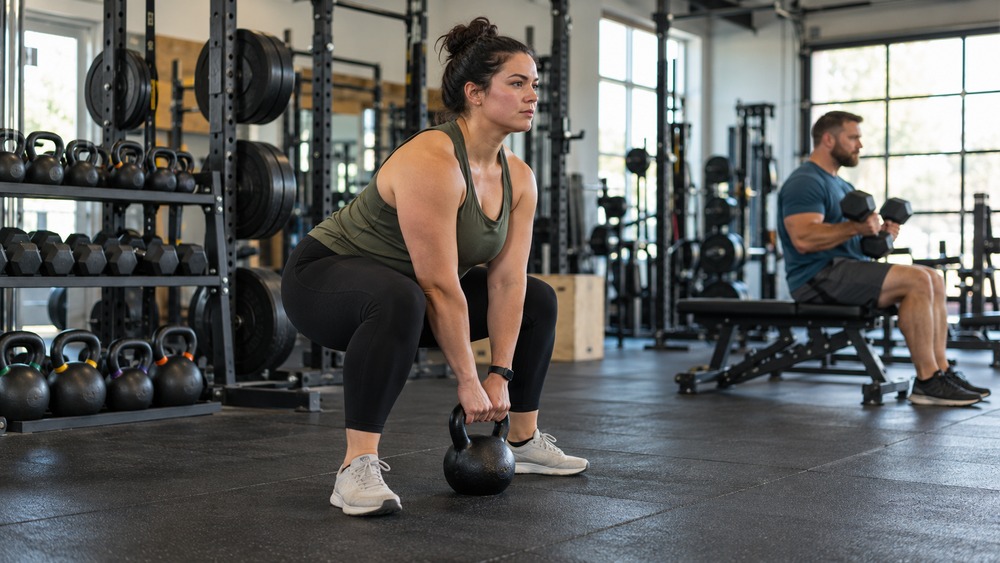
October 18, 2026
Confirm what the pool supplies and what you need to bring. Ask how goggles or other items are fitted and what returns are allowed. Avoid buying training aids on the assumption they are permitted or useful in every session; check with the instructor first.
Read article →
October 18, 2026
Ask the lesson provider for the equipment requirements for your actual class before shopping. Check fit and intended use with a suitable retailer. A beginner lesson, general pool visit and competitive session may have different expectations, so a broad swimming kit list can be misleading.
Read article →
October 18, 2026
Explain products around the activity, level and fit rather than assuming a beginner knows specialist terms. Distinguish essentials from extras and state fitting or return arrangements. Keep safety and suitability claims supported. A useful consultation helps the customer start with appropriate equipment without implying the most expensive option is always necessary.
Read article →October 18, 2026
Check size, compatibility and whether loan equipment is available while learning. Ask about fitting and return conditions before purchase. Separate essential items from optional accessories, and use appropriate specialist guidance for protective equipment rather than choosing from appearance alone.
Read article →
October 18, 2026
Start with the activity and how often you expect to take part. Ask the organizer or retailer what equipment is needed for the particular session. Buying an advanced package before an introductory visit may leave you with items that are not suitable or necessary.
Read article →
October 18, 2026
Identify the actual bicycle, size and condition clearly, with recent photographs and known limitations. Explain any inspection or preparation without implying it is a complete guarantee. Keep accessories and sale terms clear. Do not describe an unverified history as certain simply because a model appears well presented.
Read article →
October 18, 2026
Ask about ownership, service history, included accessories and known faults. Confirm the exact bicycle being sold and the terms of the sale. If unsure about condition or fit, seek appropriate help rather than assuming a short ride reveals everything.
Read article →October 18, 2026
Check size, intended use and overall condition before comparing the asking price. Ask what inspection or preparation has been carried out and whether a professional assessment is possible. A bicycle looking clean does not establish the condition of every component.
Read article →
October 18, 2026
Explain the demonstration process and identify supported systems and service arrangements. Keep range statements appropriately qualified and describe practical charging and storage information. Avoid presenting all e-bikes as interchangeable. A customer should understand the product and where to obtain current use requirements before committing to a model.
Read article →October 18, 2026
Compare charging arrangements, battery handling information and available service support. Ask about the demonstration route and supplied instructions. Check current rules for where you intend to ride through appropriate official information, rather than assuming every e-bike has the same permitted uses.
Read article →October 18, 2026
Ask about a demonstration appropriate to your experience and intended use. Discuss fit, handling and practical storage as well as the assistance system. A product description should not be treated as proof of the distance or experience you will get on every ride.
Read article →