Category: <span>Local District Guides</span>
October 18, 2026
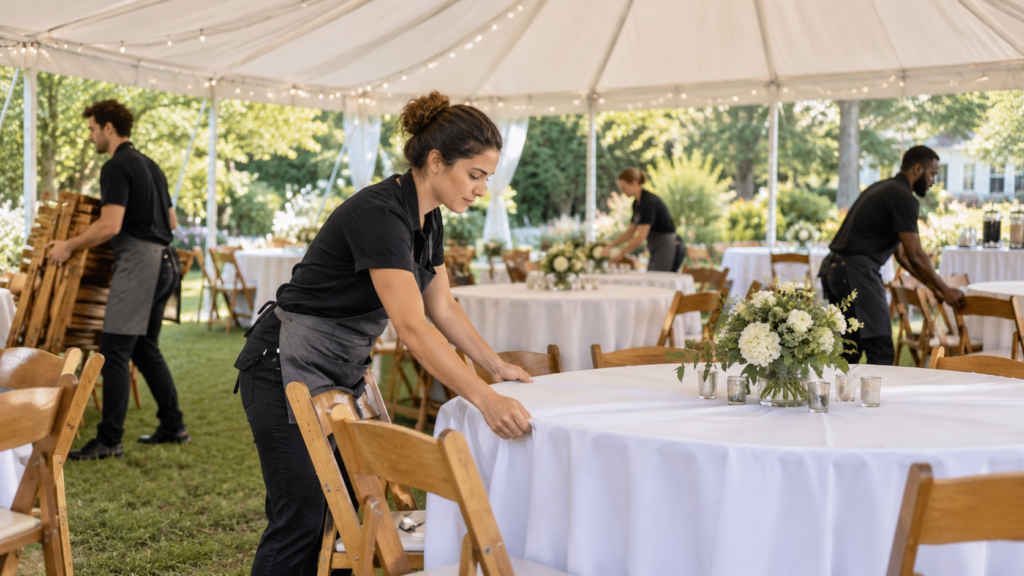
Agree event dates, participation and wording with the organizer before posting. Keep each business’s offer and opening arrangements accurate. Explain conditions and update changed information across shared channels. District or Chamber involvement should be described only as agreed, without implying that every business, product or activity is included.
Read article →
October 18, 2026
Confirm participating businesses, hours and any tickets or reservations you need. Ask individual shops about product availability rather than assume every display or offer is part of the shared event. Check the update route for weather or other changes.
Read article →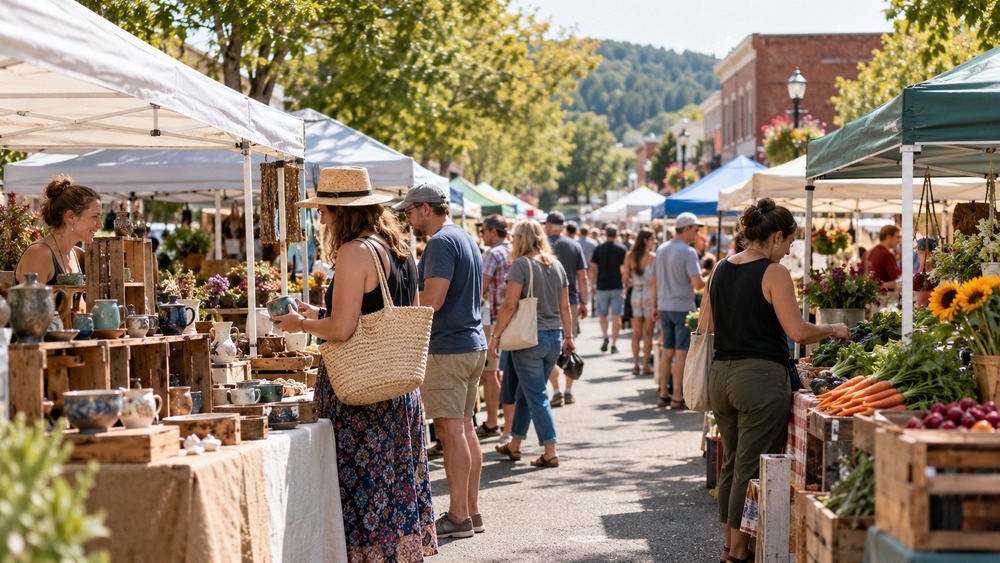
October 18, 2026
Use the current organizer’s information to confirm the district, date and event format. A recurring event name or older seasonal poster does not establish this year’s arrangements. Check whether a listing invites general visitors or a particular registered group.
Read article →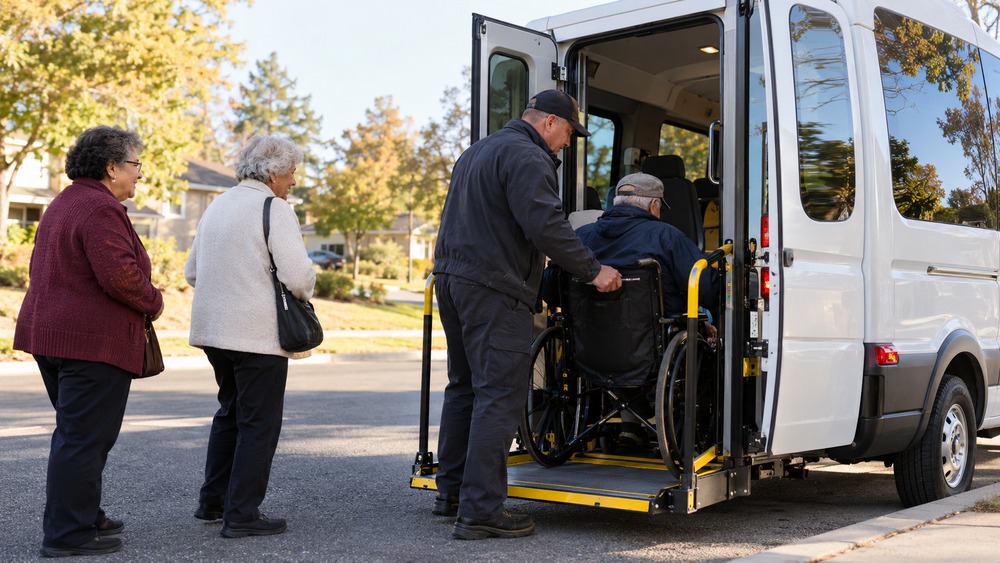
October 18, 2026
Explain when a collection is ready and where customers should arrive. Keep reference and authorization procedures private and proportionate. Distinguish a request from an accepted appointment or completed order. A clear notification reduces uncertainty without promising that every product or service can be delivered immediately to an unannounced visitor.
Read article →
October 18, 2026
Confirm the item is ready and ask about the correct collection point. Keep reference information private and available when requested. If several people are collecting, establish who is authorised through the business’s process rather than assuming any message can be used as proof.
Read article →October 18, 2026
Identify the specific services or items and confirm each business’s location and hours. Check which tasks need an appointment or accepted order before leaving. A nearby cluster of businesses can suggest a route, but it does not guarantee every errand can be completed without advance contact.
Read article →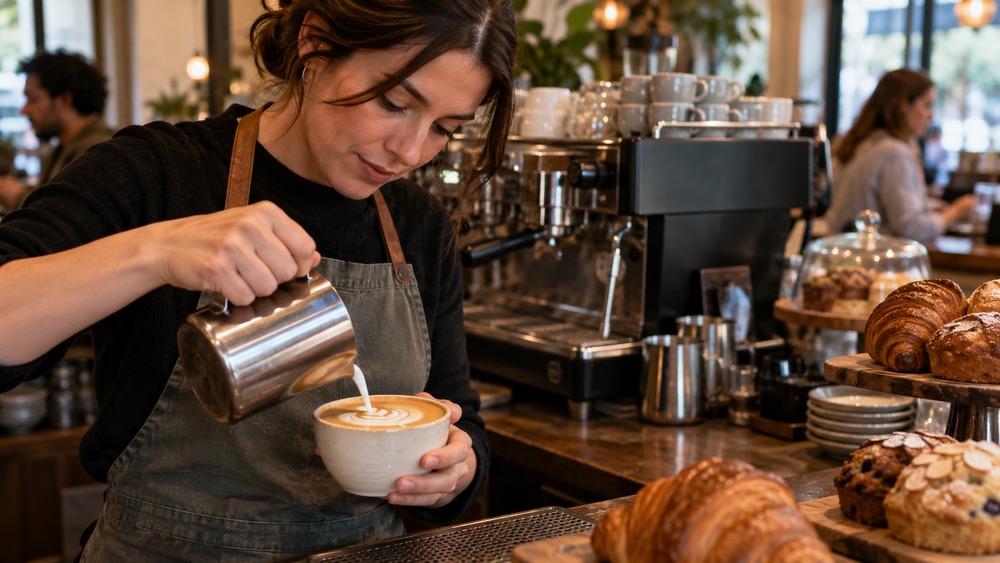
October 18, 2026
Keep normal service and dated events clearly separated. Publish the actual start time and any booking conditions. Where a joint promotion is agreed, confirm responsibilities and update all shared information if arrangements change. Avoid letting a general evening-opening statement imply that every advertised activity runs on every open night.
Read article →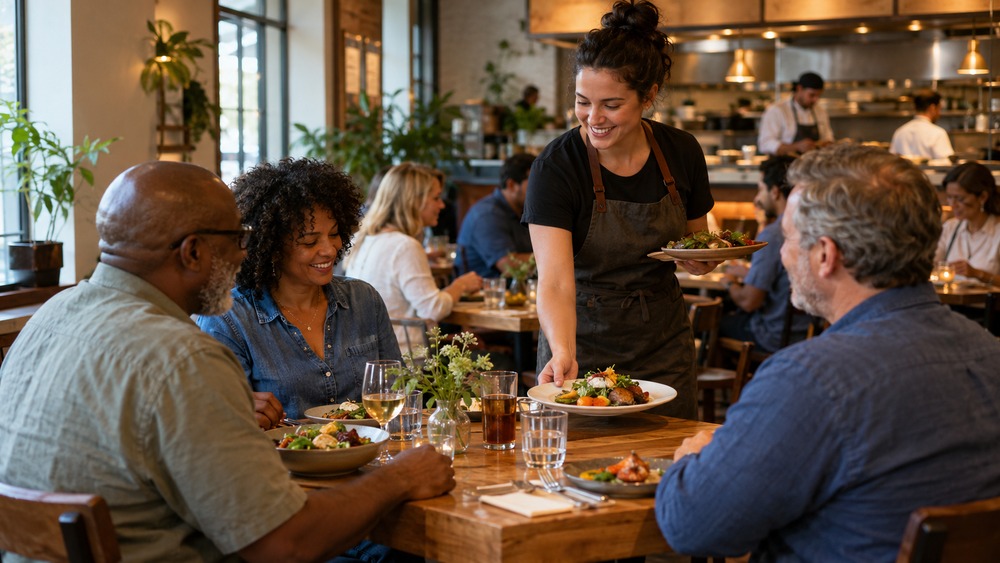
October 18, 2026
Check dining times, entertainment start and any separate tickets or reservations. Allow for travel and arrival requirements without assuming a guaranteed gap between activities. Keep confirmations together so an ordinary restaurant reservation is not mistaken for entry to a separate event.
Read article →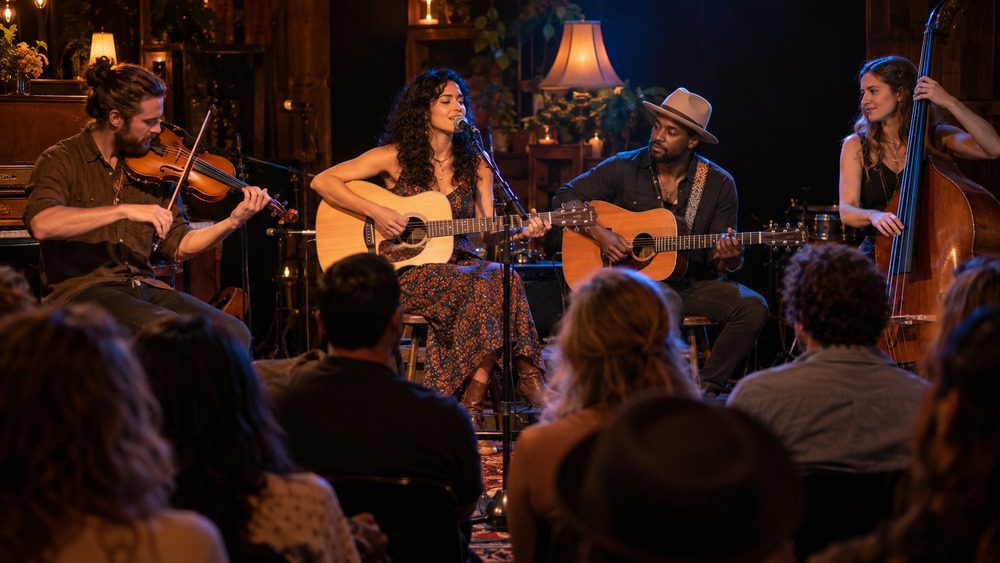
October 18, 2026
Choose the actual venues and dates, then check current opening and event information. A district’s reputation or a venue’s old photograph does not establish what is happening on a particular evening. Confirm the service or performance you want before building the rest of the plan.
Read article →
October 18, 2026
Describe entrances, collection and appointment arrival concretely. Give a contact for individual questions and check information after layout changes. Avoid universal access claims where specific features would be more useful. Keep district directions and the business’s own arrangements consistent, without inventing reserved parking or assistance that is not actually available.
Read article →
October 18, 2026
Describe the relevant need, such as step-free entry, a pickup or help locating a room. Ask the business for specific information rather than rely on a broad accessible label. Keep contact details available in case the arrangements are unclear when you arrive.
Read article →October 18, 2026
Check your destination’s current address and ask about the entrance, collection point or appointment arrival you need. Use official current parking and access information where appropriate. A building’s street address alone may not explain the practical route suitable for your visit.
Read article →