Category: <span>Home Projects</span>

October 18, 2026
Explain the surveyed route, preparation and intended construction in the quote. Separate decorative finish from underlying work. Record access and use arrangements and avoid universal durability promises. A written proposal should show how the customer approves the layout and any changes, with clear responsibilities for the site and surrounding areas.
Read article →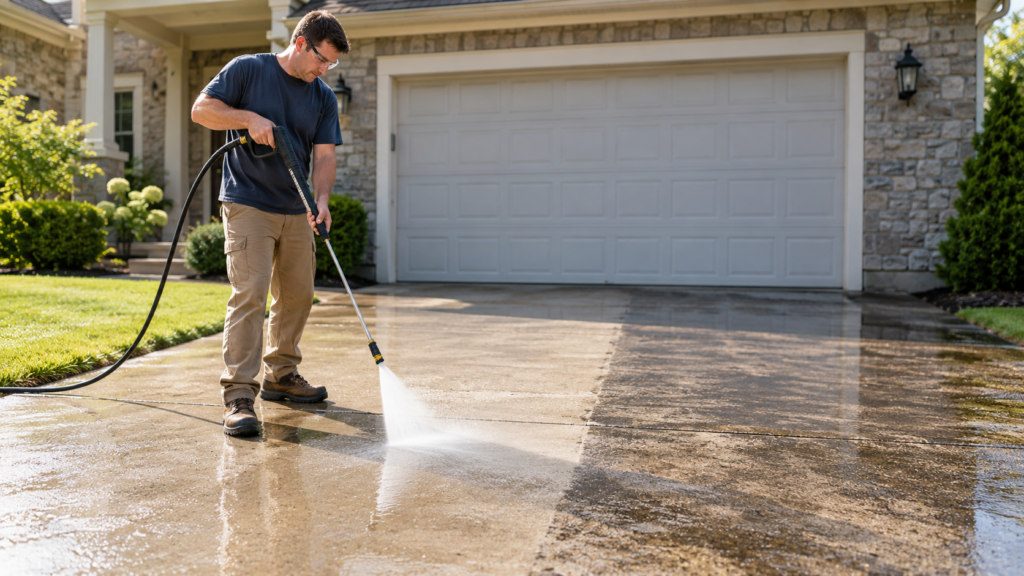
October 18, 2026
Compare removal, preparation, construction and finishing in each proposal. Ask how adjoining areas are protected and when the path can be used. Confirm who checks any necessary permissions and how the final layout is approved rather than relying only on a rough area estimate.
Read article →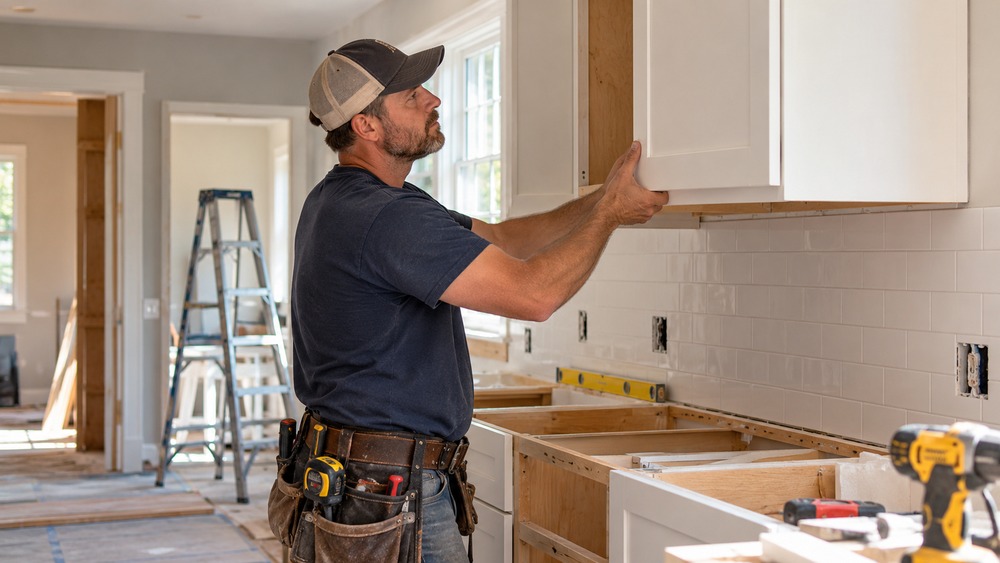
October 18, 2026
Describe where the path goes and how it will be used. Ask the contractor to assess levels, access and the existing site before proposing construction. A finish sample is only one part of an arrangement that must work at the actual location.
Read article →
October 18, 2026
Request photographs, intended materials and the area to be assessed. Explain preparation, layout approval and responsibilities around fittings. Keep supply and installation distinct where offered separately. Use project examples with accurate scope and avoid suggesting that every surface or material can be fitted in the same way without inspection.
Read article →October 18, 2026
Compare cleaning, appearance and the proposed edge or joint details with suitable professional advice. Ask who moves or works around appliances and fittings. Confirm the layout and material quantities before ordering, including how changes will be handled.
Read article →October 18, 2026
Explain the area, existing finish and the material you are considering. Ask how the installer checks preparation and details around fittings. A backsplash quote should identify the surfaces and finishing rather than treat a sample tile as a complete installation design.
Read article →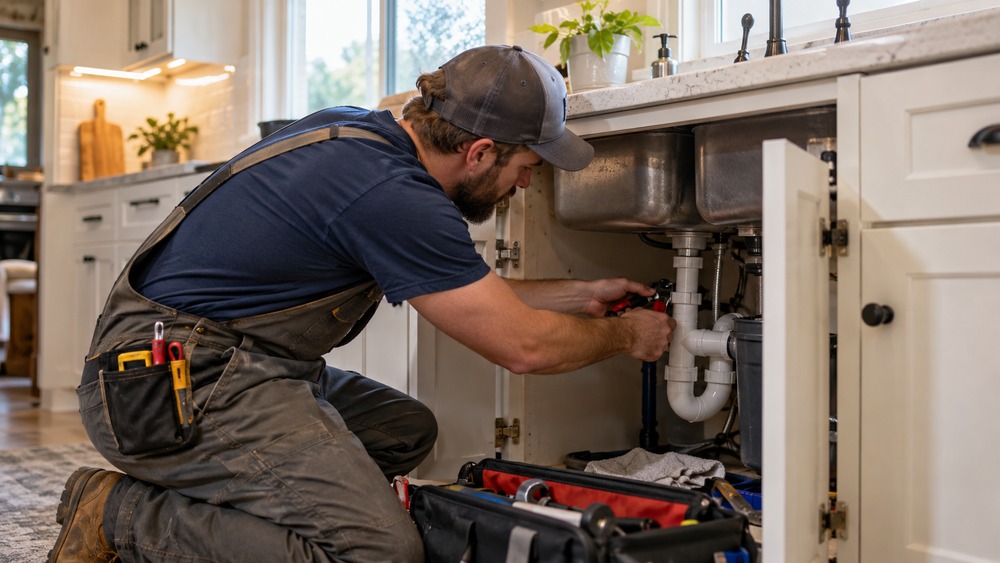
October 18, 2026
Explain assessment, preparation, supply and installation as distinct parts of a quote. Record layout and finishing choices before starting. Avoid implying that visible tile alone determines the whole specification. Customers should understand included work and how additional background repairs are assessed and approved if conditions change.
Read article →October 18, 2026
Ask what preparation, waterproofing where relevant and finishing are included in the proposal. Confirm tile supply, layout and edge details before work starts. Keep repairs to the background and any additional specialist tasks clearly identified instead of assuming they are included automatically.
Read article →October 18, 2026
Describe the surface, tile choice and intended area, then ask how the installer assesses the existing background. Tiling includes preparation and detailing as well as placing the visible tiles. A product photograph cannot establish whether the surrounding construction is suitable.
Read article →
October 18, 2026
Define the consultation and any later design, sourcing or installation work separately. Explain deliverables and purchasing responsibilities before taking a brief. Show the actual role in completed projects and keep product charges understandable. A useful process gives customers reviewable decisions and control of approvals rather than treating every attractive reference image as an agreed specification.
Read article →October 18, 2026
Gather room information, items to retain and a budget range. Explain everyday use as well as appearance preferences. Ask what you receive after the meeting and how products or further work are approved, so a consultation is not mistaken for a complete installed project.
Read article →October 18, 2026
Identify the room and the decisions you want help making. Ask whether the designer provides a consultation, a complete scheme, purchasing or coordination. A photograph of a finished room may involve work by several people, so check the designer’s role and proposed service.
Read article →