Category: <span>Cleaning Services</span>

October 18, 2026
Explain accepted rugs, assessment and whether the service includes collection. Record condition and identify each item through the process. Keep transport and treatment charges clear, with approval for changes. Avoid promising that every stain or worn area can be restored, and distinguish cleaning from repair work.
Read article →
October 18, 2026
Confirm collection, transport, cleaning and return arrangements. Ask how the rug is identified and its condition recorded. Compare drying and storage conditions, agreed charges and the process for discussing an item that needs a different treatment from the original inquiry.
Read article →
October 18, 2026
Ask about the rug material, construction and whether cleaning happens at home or elsewhere. Explain stains, damage and previous treatments. A service suited to a fitted carpet should not automatically be assumed suitable for every loose rug.
Read article →October 18, 2026
Ask about fabric, size and treatment history, and explain the assessment process before promising a result. State included cushions and items clearly. Keep optional treatments separate and use photographs with context. A quote should identify limitations and approval arrangements rather than present every upholstered item as interchangeable.
Read article →
October 18, 2026
Give the number of seats, cushions and items, plus accessible care-label details. Mention previous treatment and discuss realistic stain expectations. Compare cleaning, drying arrangements and any separate protective treatment rather than assuming each package contains the same work.
Read article →October 18, 2026
Identify the furniture, fabric information and any particular marks. Ask whether the cleaner assesses suitability before treatment. A photograph can show size and condition, but it may not reveal the material or how earlier products have affected it.
Read article →
October 18, 2026
Define accessible system areas and explain assessment, protection and reporting. Keep equipment servicing separate from duct cleaning. Avoid universal health or performance promises; use a written scope and realistic limitations. Customers should know which parts are included and how additional work would be proposed and approved.
Read article →October 18, 2026
Ask which ducts, vents and accessible components are included and how the work is documented. Confirm access, protection and cleanup. Avoid comparing prices until the same system areas are identified, and do not assume the service guarantees a particular health outcome.
Read article →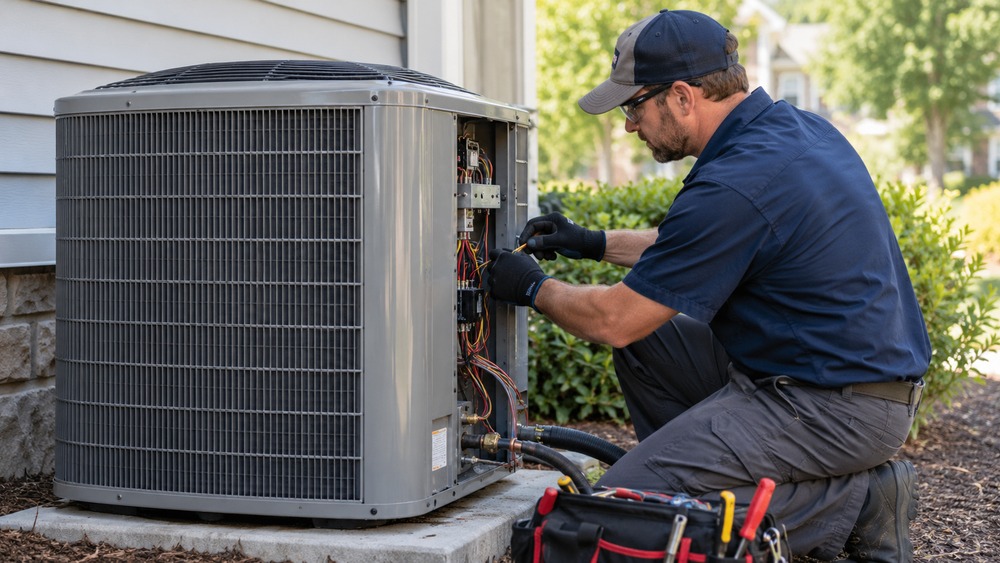
October 18, 2026
Explain the system and the reason for your inquiry, then ask what the business inspects before recommending cleaning. A general concern about dust does not identify a fault. Clarify the difference between cleaning ductwork and servicing the heating or cooling equipment.
Read article →
October 18, 2026
Publish accepted items, exclusions and the information needed for an estimate. Explain access charges and what happens if the load differs from the description. Make the distinction between a provisional estimate and a confirmed price clear before the collection starts.
Read article →
October 18, 2026
Bobby’s Junk Removal lists Webster Groves among its service areas, and Clean Town & Country publishes local junk-removal coverage. Ask whether each business accepts the items you need removed.
Read article →October 18, 2026
Reach small offices with a simple premises survey and a written task schedule. Publish the actual coverage and appointment route. Introductions through the local Chamber of Commerce can help start discussions with owners, while quotations should reflect each site’s access, hours and cleaning needs.
Read article →