Category: <span>Business</span>

October 18, 2026
Encourage repeat visits by giving customers a clear record of completed work and manufacturer-based maintenance guidance. Offer reminders only with permission. Explain the next service basis and avoid treating every vehicle as having the same maintenance interval or requirements.
Read article →October 18, 2026
Help first-time customers with a clear diagnostic booking process and an explanation of approvals. Publish supported services, location and contact details. A short description of how findings are reported can be more useful than broad claims about being the area’s best workshop.
Read article →
October 18, 2026
Publish accepted items, exclusions and the information needed for an estimate. Explain access charges and what happens if the load differs from the description. Make the distinction between a provisional estimate and a confirmed price clear before the collection starts.
Read article →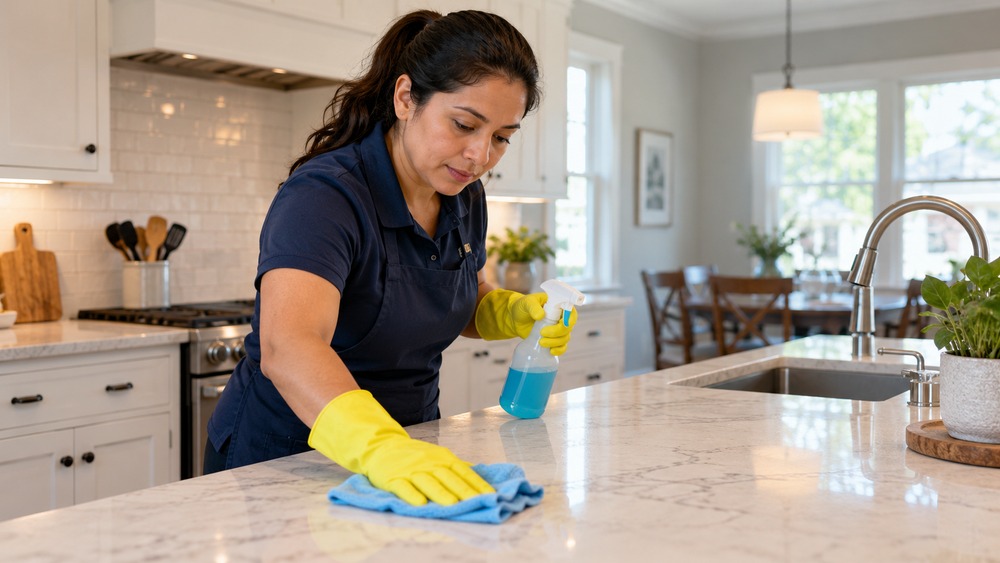
October 18, 2026
Reach small offices with a simple premises survey and a written task schedule. Publish the actual coverage and appointment route. Introductions through the local Chamber of Commerce can help start discussions with owners, while quotations should reflect each site’s access, hours and cleaning needs.
Read article →October 18, 2026
Explain the difference between cleaning a vent and repairing a dryer. List the inspection and cleaning stages, access requirements and how defects are reported. Use practical service descriptions instead of promising that cleaning will resolve every drying problem or eliminate every fire risk.
Read article →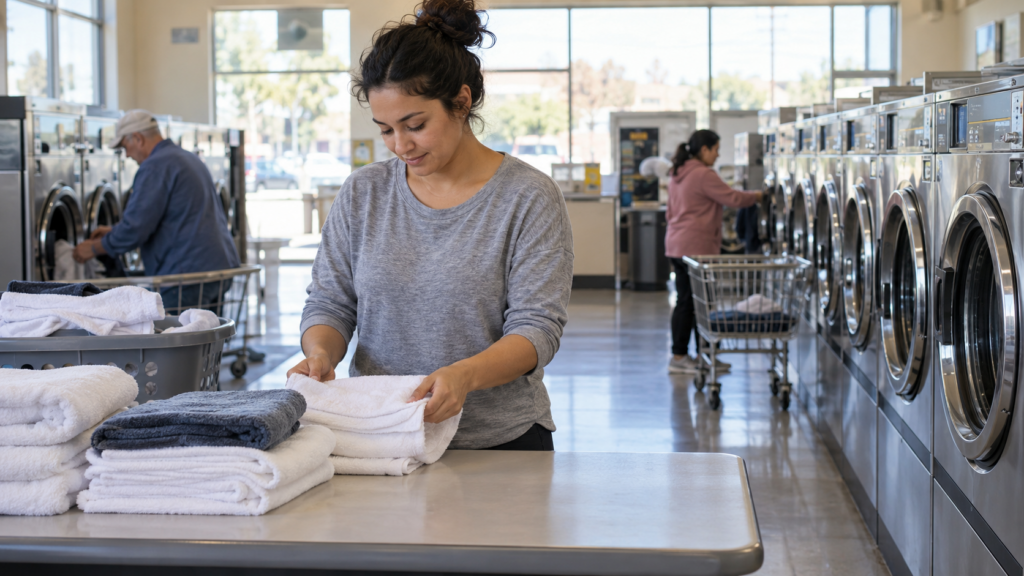
October 18, 2026
Publish pickup, delivery and store drop-off as distinct options when offered. State the coverage, minimum order and how a collection time is confirmed. Explain whether turnaround runs from booking, collection or receipt at the laundry so customers can plan accurately.
Read article →October 18, 2026
Promote specialist garment services with examples of accepted items and an assessment process. Explain turnaround, packaging and optional repairs. Avoid implying that every fabric or stain has the same treatment or result; invite customers to bring unusual items for inspection.
Read article →
October 18, 2026
Organize service descriptions by surface and purpose rather than advertising pressure alone. Explain where assessment is required and how vulnerable materials are protected. Case studies should state the surface and agreed cleaning scope without implying that one method is suitable everywhere.
Read article →October 18, 2026
Offer a clear first-clean service and a separate recurring plan. Explain which window parts are included and how interior appointments are arranged. Reminders can help repeat customers book, but frequency should reflect the property and customer’s preferences rather than an automatic assumption.
Read article →
October 18, 2026
Explain treatment choices in plain language and separate routine cleaning from specialist stain or odor work. Use project photographs with context about the material and starting condition. Give realistic limitations and explain how a customer can request an assessment before agreeing to additional treatment.
Read article →October 18, 2026
Approach property managers with a clear turnover checklist and reliable booking contact. Explain access, inspection deadlines and how additional work is authorized. A repeat arrangement should identify who signs off the work and distinguish routine cleaning from repairs or removal of abandoned belongings.
Read article →October 18, 2026
Describe the rooms and tasks included in each package. Explain whether the price assumes a maintained home or an initial deep clean. Make supplies, access, pets and optional extras easy to understand, then collect enough property information to provide a realistic quote.
Read article →


