Category: <span>Business</span>
October 18, 2026
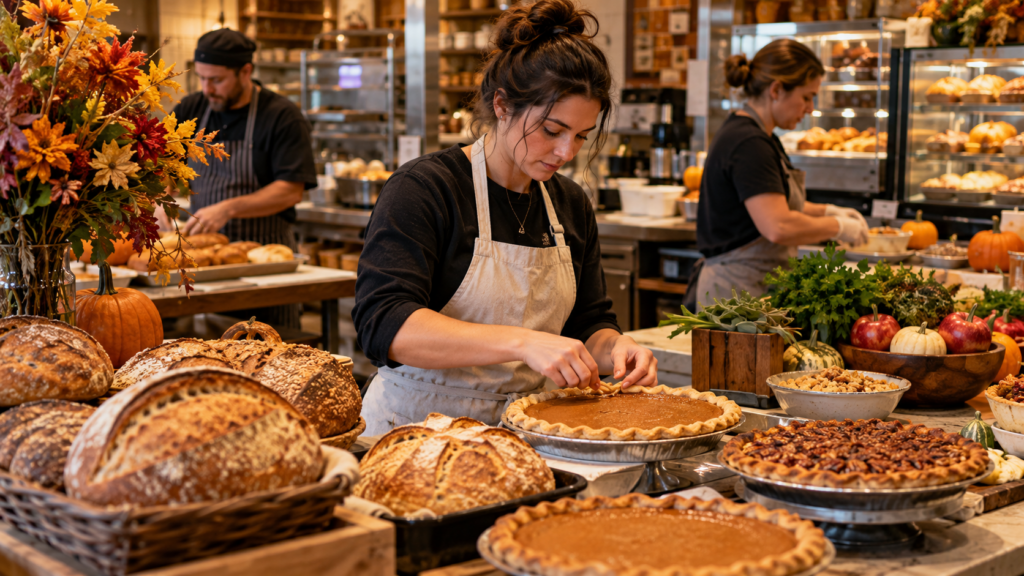
Publish menu formats, order lead time and the service area you can actually cover. Explain delivery, setup and equipment separately. Local Chamber introductions can help start office conversations, while each order needs confirmed numbers, access and timing. Avoid presenting a sample lunch as suitable for every dietary need or event format.
Read article →October 18, 2026
Explain contents and serving context in plain language, with clear order deadlines. Separate collection and delivery. Invite dietary questions through an appropriate contact route without promising universal suitability. Photographs should show representative portions honestly and identify optional additions so customers understand what they are ordering.
Read article →
October 18, 2026
Publish order acceptance, substitutions and collection timing together. Explain the difference between a requested slot and a confirmed order. Keep stock information current and give customers a clear contact for changes. A useful collection promotion should describe actual arrangements instead of implying every shelf item is available to order.
Read article →
October 18, 2026
Explain garment supply, decoration and sample approval as separate stages. Publish quantity and artwork requirements and keep repeat-order records accurate. Do not imply ordinary branded workwear meets a specialist protective need. A clear proof and sizing process helps customers approve the right products before a custom order enters production.
Read article →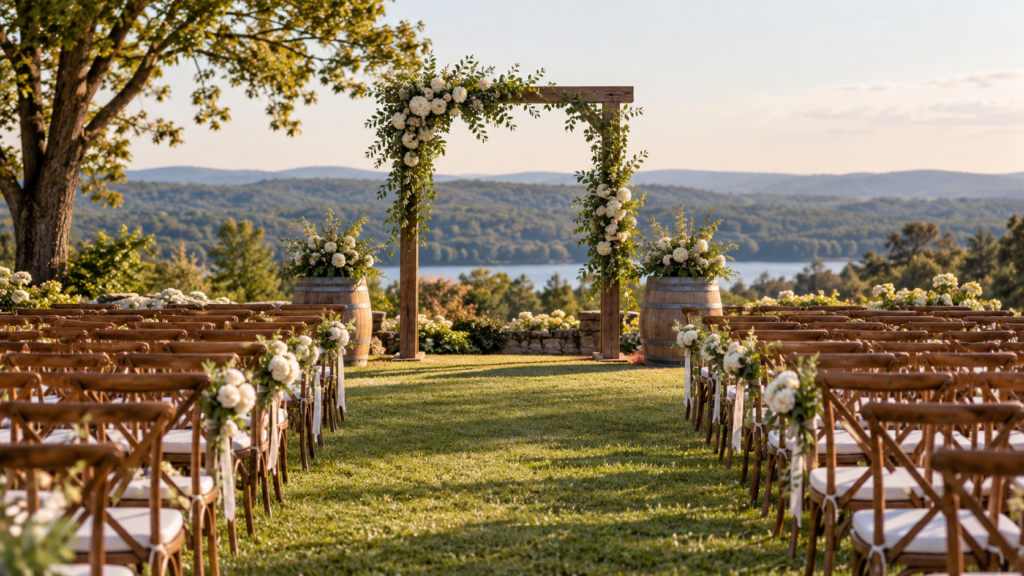
October 18, 2026
Show what each package includes and how size, style and date are confirmed. Explain fitting, collection and return separately. Keep additional charges understandable before booking, and provide a record of the reserved items. Customers should know how changes are handled without assuming a photograph confirms availability.
Read article →October 18, 2026
Publish the information needed for an event-related inquiry, including garment and deadline. Explain fittings, customer preparation and approval of adjustments. Avoid promising that every design can be altered in the same way. Keep urgent-work capacity realistic and confirm the final ready date before accepting a time-sensitive booking.
Read article →
October 18, 2026
Collect exact text, item details and placement instructions in a record the customer approves. Explain supported materials and the proof stage clearly. Distinguish a mock-up from completed work and state personalization terms before production. Good examples can demonstrate scale and layout without implying every material accepts the same technique.
Read article →
October 18, 2026
Explain the consultation around the item, display setting and intended result. Separate moulding, mounting, glazing and fitting. Use samples and a written specification to confirm choices before work begins. Keep preservation claims appropriate to the materials and assessment, without treating every artwork as the same standard framing job.
Read article →
October 18, 2026
Separate battery, strap, movement and specialist inquiries in service information. Explain assessment and any external workshop arrangements. Avoid guaranteeing performance before testing, and keep additional-work approval clear. Customers should understand who holds the item, how it is identified and what the quoted service actually includes.
Read article →
October 18, 2026
Show the types of footwear and repairs accepted, with inspection and estimate arrangements clear. Explain material and finish limitations rather than promising every pair can be restored. Label examples by the work completed and give customers an understandable route from dropping off an item to authorizing and collecting it.
Read article →
October 18, 2026
Explain decision support, physical work and removal as separate responsibilities. Give customers control over what leaves the property and record instructions. Handle sensitive information privately and never treat before-and-after photographs as automatic permission for promotion. A clear initial session is more useful than a promise to clear every room in one visit.
Read article →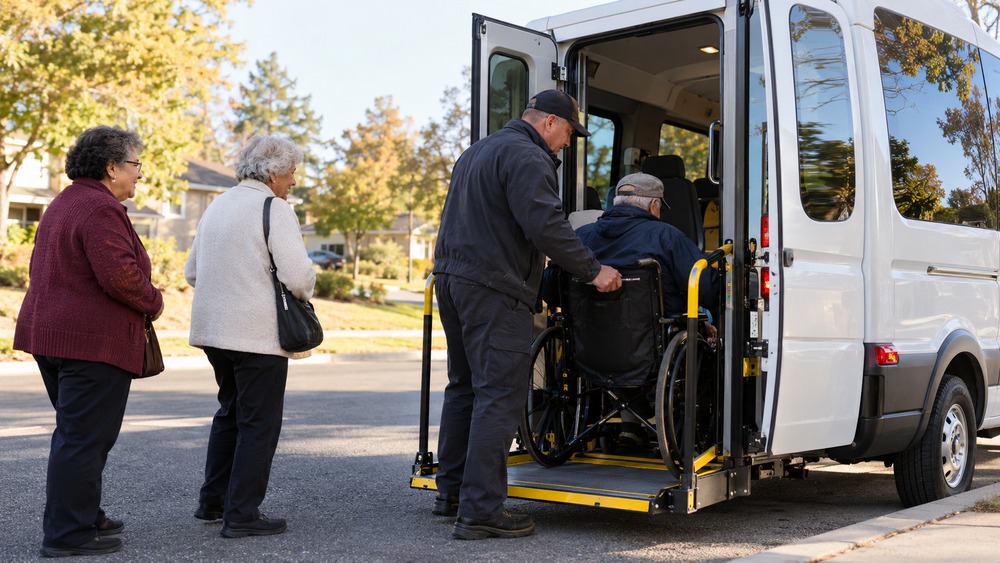
October 18, 2026
Describe full and partial packing separately, with materials and exclusions clear. Explain access, labelling and preparation before arrival. Customers should know who handles specialist items and whether unpacking is included. Record the scope so a packing estimate is not confused with an all-inclusive moving service.
Read article →


