Category: <span>Business</span>

October 18, 2026
State the operating format, attendant arrangements and outputs clearly. Explain design approval and any print or download limits. Keep guest-image use and privacy understandable, with permission for promotional reuse. A complete proposal should identify setup and event time separately and give the organizer a support route.
Read article →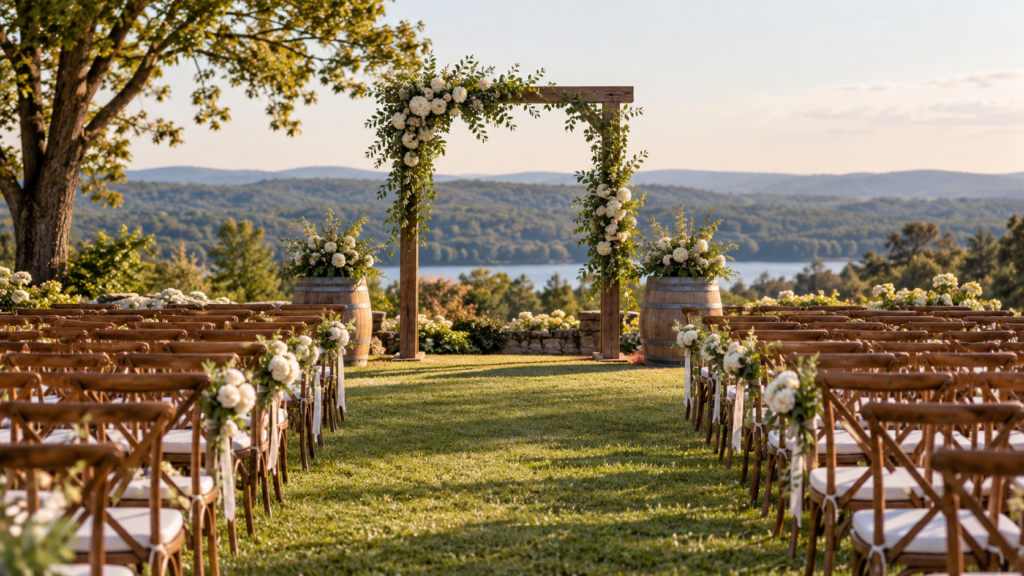
October 18, 2026
Describe lineup, performance sets and equipment clearly. Explain requests, breaks and setup access before accepting the event. Use representative recordings without implying every package contains the same musicians. A written schedule helps clients compare complete arrangements and avoids treating a general promotional video as the full booking specification.
Read article →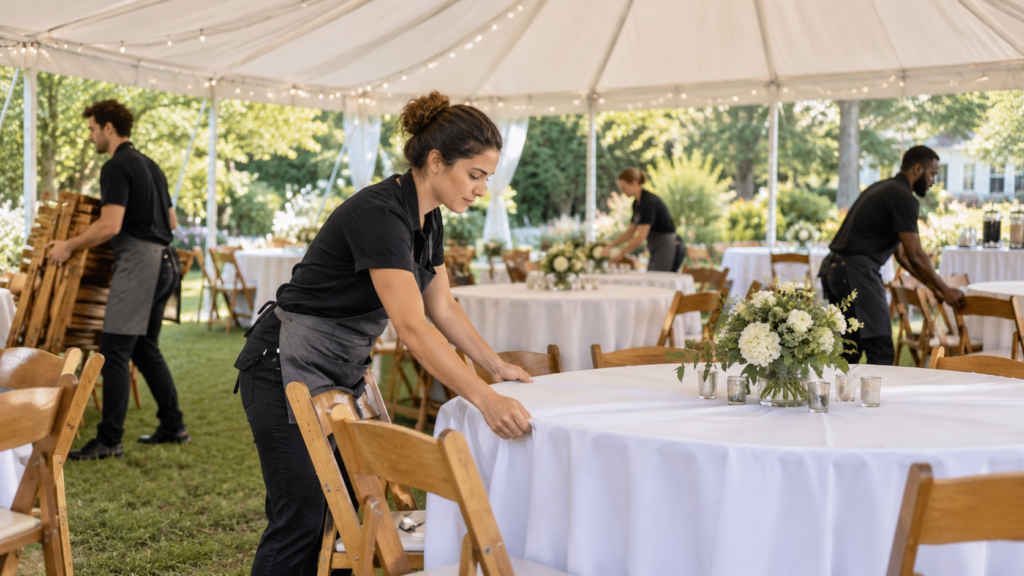
October 18, 2026
Explain performance, hosting and supplied equipment as separate inclusions. Use a structured brief for timing, audience and venue needs. Keep extra hours and changes clear before confirmation. Portfolio examples should show the relevant event format with permission, without implying that one playlist or setup suits every audience.
Read article →October 18, 2026
Collect the venue, audience and content requirements before proposing equipment. Explain installation, rehearsal and operator support separately. Keep compatibility assumptions visible and agree a problem-contact route. A useful quote identifies the complete working arrangement instead of leaving cables, connections or staff responsibilities to be guessed on the event day.
Read article →
October 18, 2026
Explain site assessment, installation and use conditions before confirming the hire. Identify access and customer responsibilities clearly. Avoid broad all-weather promises. A proposal should record the actual site and intended event, with a clear communication plan if conditions make the agreed installation or use unsuitable.
Read article →
October 18, 2026
Publish item dimensions and describe delivery, setup and collection separately. Explain access information and when quantities become fixed. Keep charges and responsibilities clear before a booking is accepted. An example layout can help customers understand the order, but should not replace confirmation of the actual site and event requirements.
Read article →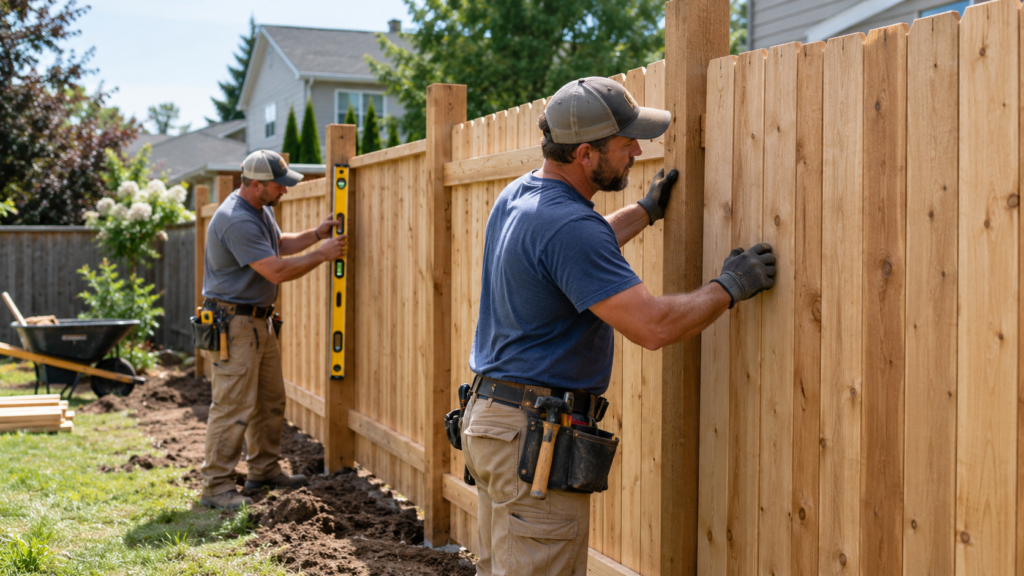
October 18, 2026
Explain the task information needed to select suitable equipment and what instruction is supplied. Publish hire periods, accessories and charges clearly. Keep assessment and training requirements appropriate to the machine. A rental listing should not encourage customers to undertake a task beyond their competence simply because the tool is available.
Read article →
October 18, 2026
Show dimensions and practical use alongside product images. Explain delivery, assembly and returns, with custom-order terms identified before purchase. A workspace inquiry should establish room and equipment needs without making unsupported comfort or health promises. Keep available stock and lead-time information accurate and distinguish a sample display from a reserved item.
Read article →
October 18, 2026
Publish accepted items and charges with a clear date or review process. Separate recycling from data-handling services and explain any documentation offered. Avoid implying that collection alone guarantees deletion. Customers need a simple route to confirm unusual items before transport and understand who is responsible for their personal information.
Read article →
October 18, 2026
Explain supported environments, contact routes and the distinction between response and resolution targets. Identify onboarding, access and exclusions before agreeing a plan. Do not promise uninterrupted operation. A useful proposal sets out responsibilities and escalation arrangements in terms a small-business owner can understand and review.
Read article →October 18, 2026
Lead with purpose, deliverables and client responsibilities. Explain content, design, development and ongoing support separately. Provide a clear change process and identify recurring costs. A local consultation should turn business needs into a reviewable scope, without claiming a new site automatically guarantees traffic, rankings or sales.
Read article →October 18, 2026
Use a brief covering location, size, purpose and brand assets. Explain design, production and installation responsibilities separately. Confirm the proof and any required checks before manufacture. Local Chamber introductions may help reach new businesses, but every project needs its own accurate scope and approval process.
Read article →


