Author: <span>founderdan</span>

October 18, 2026
Confirm condition records, packaging and how items are identified. Ask about the storage environment and return arrangements, including access and reassembly. Follow appropriate product-care guidance rather than assuming storage alone prevents damage to an item left in an unsuitable condition.
Read article →
October 18, 2026
List the items, materials and dimensions and ask whether the provider accepts them. Collection, preparation and storage can be separate tasks. A standard storage booking should not be assumed to include cleaning, dismantling or protection suitable for every outdoor item.
Read article →
October 18, 2026
Separate scanning, digital editing and physical work on originals. Explain handling, sample review and output before accepting an order. Avoid promising faithful recovery of detail that is absent or uncertain. A useful proposal records the customer’s aim and limitations, with private images used publicly only through appropriate permission.
Read article →
October 18, 2026
Ask how the original is protected and whether work uses a scan. Confirm the edit scope, review and delivered files or prints. Keep the accepted limitations clear rather than assuming missing information can always be reconstructed accurately or that every version is included.
Read article →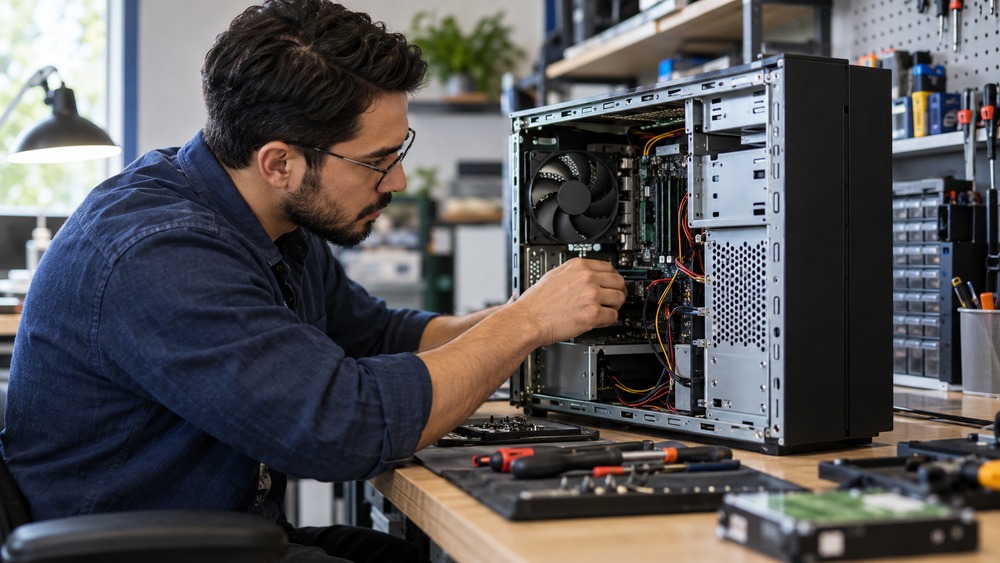
October 18, 2026
Describe the original photograph and the result you want, then ask about the assessment and working process. Digitizing, editing and physically treating an original are different services. A dramatic example does not establish what can be recovered from another image with different damage.
Read article →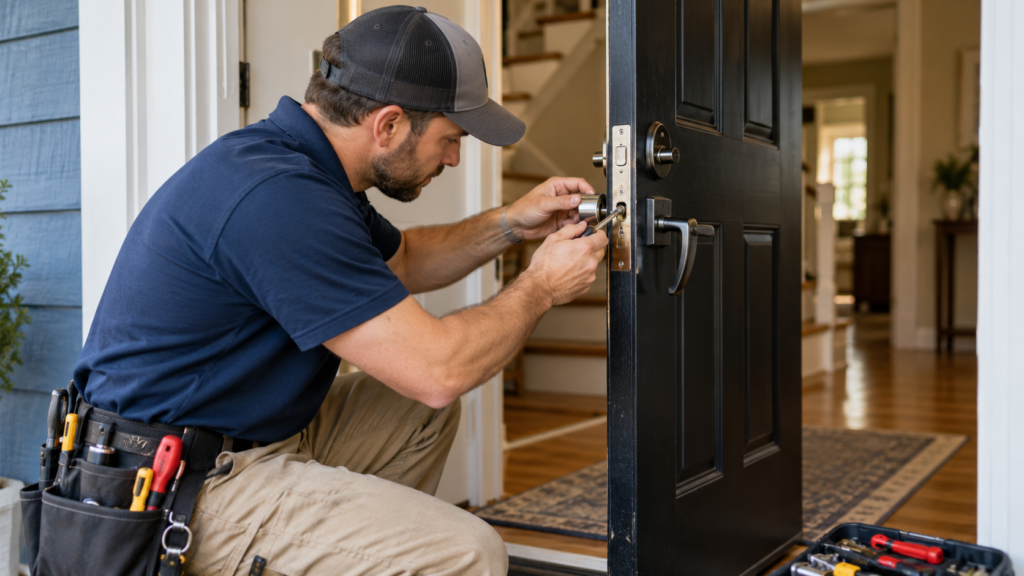
October 18, 2026
Publish supported instruments and the assessment route in clear terms. Explain custody, estimates and parts approval before accepting work. Avoid guaranteeing a result from a symptom alone. A useful workshop description helps a customer identify the right inquiry without suggesting a retail range proves specialist repair capability for every product sold.
Read article →
October 18, 2026
Confirm the intake record, diagnostic charge and how further work is approved. Ask about transport, parts and collection. Keep setup, repair and restoration separately described rather than assuming a standard service covers every concern you have noticed.
Read article →
October 18, 2026
Identify the instrument and the problem or maintenance you want discussed. Ask whether the workshop handles that type and how assessment works. A music retailer’s general listing does not establish experience with every instrument, electronic system or specialist restoration task.
Read article →
October 18, 2026
List accepted materials and repair categories clearly. Explain inspection and parts availability without guaranteeing a match. Record the item and agreed scope before work, with approval for additional tasks. Useful examples should show the actual repair and limitations rather than imply every bag or component can be restored to its original condition.
Read article →
October 18, 2026
Provide photographs of the whole item and the problem from a safe position. Ask about parts, finish and any limits on the result. Confirm the estimate and collection arrangements, keeping cleaning or restoration distinct from the specific repair you are requesting.
Read article →
October 18, 2026
Describe the item, material and the damaged part, such as a fastening, strap or wheel. Ask whether the repairer handles that construction. An accessory that looks similar does not establish a suitable replacement, especially where parts must be identified or sourced.
Read article →
October 18, 2026
Publish supported enquiries without encouraging people to share sensitive images or access details publicly. Explain identification, authority and any specialist ordering. Keep copying, programming and lock work separate. A useful inquiry route establishes the exact task and confirmation process rather than implying every key can be reproduced immediately.
Read article →